Best Sunrise Alarm Clock for Heavy Sleepers
If alarms alone never work, a sunrise clock can. We compare three sunrise alarm clocks for heavy sleepers, pairing gradual dawn light with backup sounds that actually wake you.
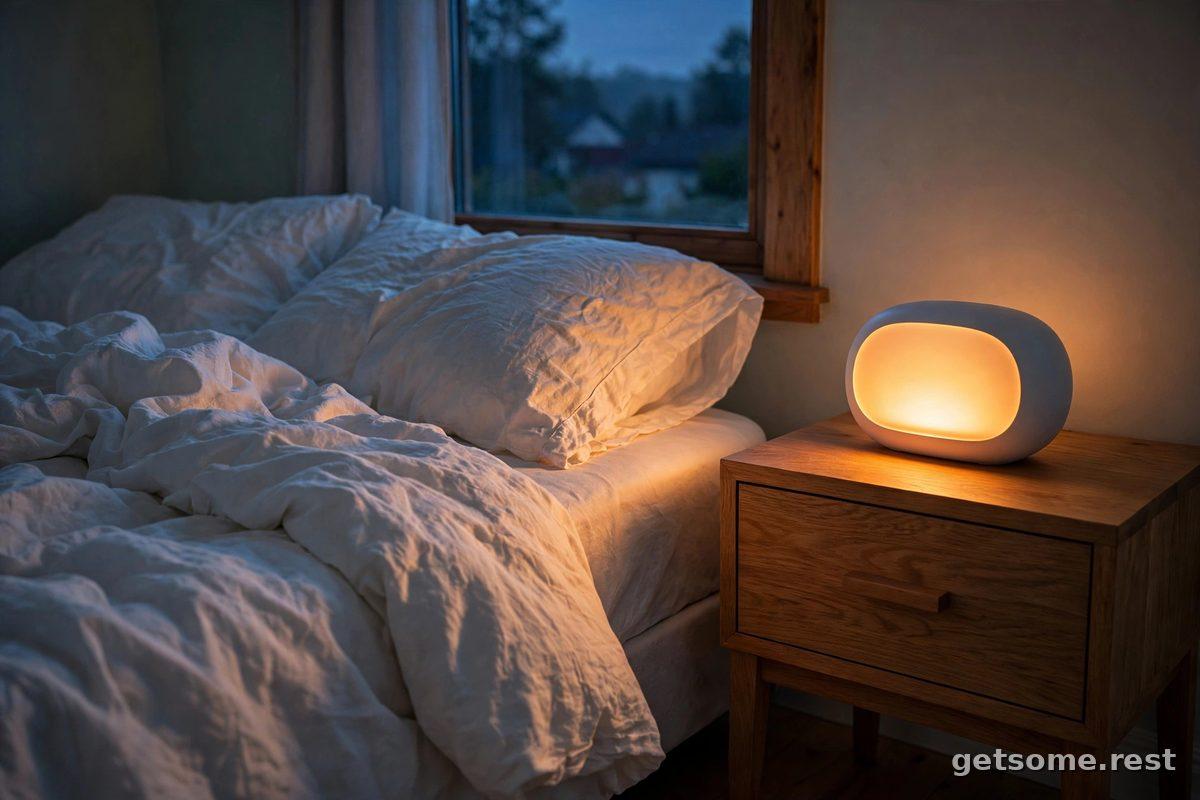
Choosing sunrise alarm clocks for heavy sleepers is much easier once you know what to compare. We researched and tested the options so you can focus on the few details that really change how a product feels at night.
Contents
Our top picks at a glance
Here is how our three favorites compare. Each name links to its full write-up further down the page.
| Product | Best for | Price | Rating |
|---|---|---|---|
| Philips SmartSleep Wake-Up Light HF3520 | Proven sunrise simulation | $108.99 | 4.5 out of 5 |
| Jall Sunrise Alarm Clock | Affordable sunrise basics | $29.98 | 4.3 out of 5 |
| Hatch Restore 3 | Custom routines plus sunrise | $169.99 | 4.5 out of 5 |
Prices last checked October 11, 2026 and may change. Ratings reflect our own testing and research.
How to choose sunrise alarm clocks for heavy sleepers
In this guide, sunrise alarm clocks for heavy sleepers means sunrise alarm clocks for heavy sleepers are bedside lamps that gradually brighten like a dawn sunrise before sounding an alarm, easing heavy sleepers out of deep sleep more gently. Most buying mistakes come from skipping the same few checks, so run through the list below before you compare prices.
- Price: compare the real checkout price, including shipping, not just the list price.
- Materials: look for clear details about fabrics and fill instead of vague marketing terms.
- Trial period: a longer home trial makes it easier to return something that doesn’t suit you.
- Warranty and returns: read the terms, including who pays for return shipping.
Here is what most heavy sleepers get wrong: they buy a louder alarm. But the problem usually is not volume — it is timing. A blaring alarm yanks you straight out of deep sleep, which triggers sleep inertia, the heavy grogginess that makes you slap snooze and fall straight back under. A sunrise clock works the other way: gradually brightening light pulls you into lighter sleep stages before your wake time, so the sound plays when you are already half awake.
The CDC notes that light has the strongest impact on circadian rhythms, and that exposure to white light during the daytime can boost alertness and mood — the science behind why a gradual sunrise cue eases you awake.
Source: U.S. Centers for Disease Control and Prevention (cdc.gov)
Setting up the rest of the room
A good product works best in a well-planned space. If you are still building your bedroom around it, our guide to Best White Noise Machine for Light Sleepers covers the basics, and our comparison of Best Blackout Curtains for Shift Workers shows how similar options stack up.
Price and value
The most expensive option is rarely the best fit. We look at what each product costs per year of expected use, and we note when a cheaper alternative gets you most of the way there. For a closer look at budgets, see Best Budget Mattress Under $300, and for evening habits that pair well with new gear, read Best Pillows for Side Sleepers.
The two-alarm strategy for heavy sleepers
Be honest with yourself: if you regularly sleep through alarms, no single device should be your only line of defense — at least not in the first two weeks. Run the sunrise clock as your primary alarm with its sound enabled, and set a phone alarm five minutes later as the safety net. Usually the light wakes you before the phone ever fires, and most people retire the backup within weeks.
Consistency matters more than hardware. A sunrise clock works best when your wake time is the same every day, because your body starts anticipating the light cue. Keep weekend wake times within an hour of weekdays so the effect holds. Pair the morning light with a regular bedtime, and the clock finishes a routine instead of fighting chaos.
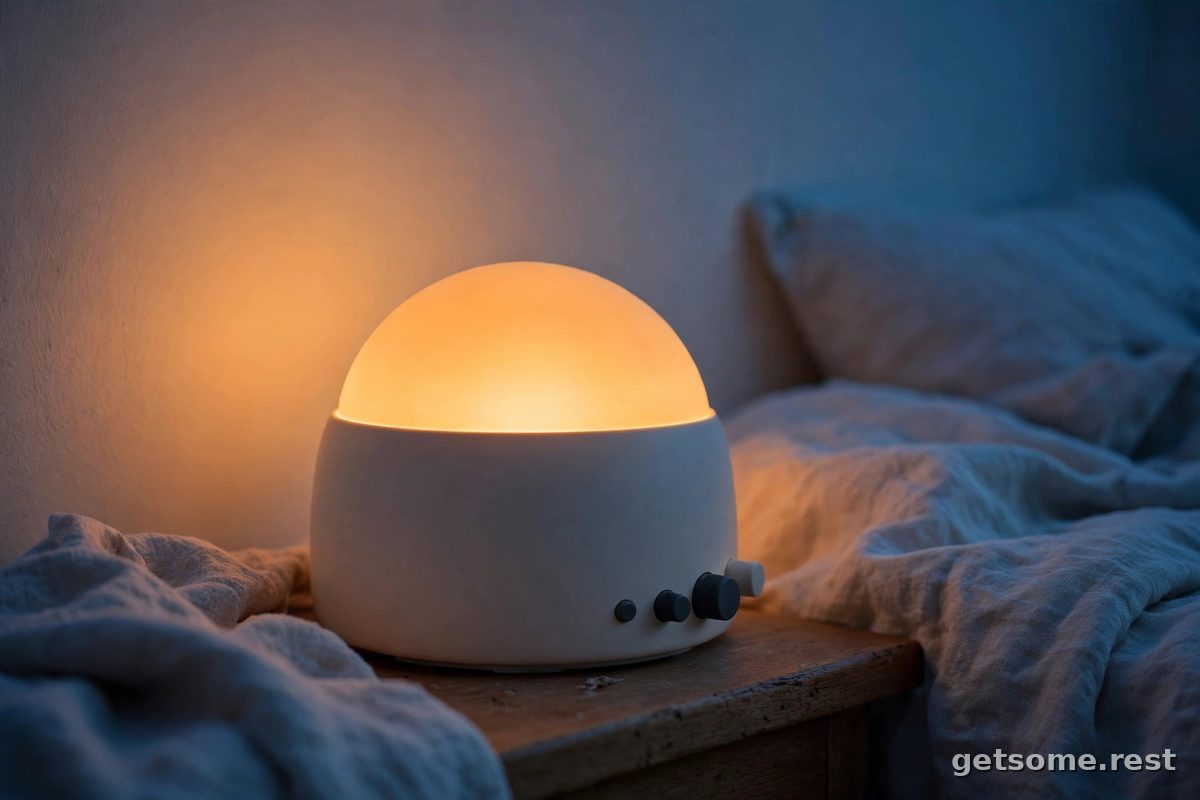
Our picks in detail
Each pick below includes a one-line verdict, the current price, and the main pros and cons from our testing.
We judged each clock on its sunrise ramp quality, backup sounds for deep sleepers, and reliability — an alarm that fails once cannot be trusted.
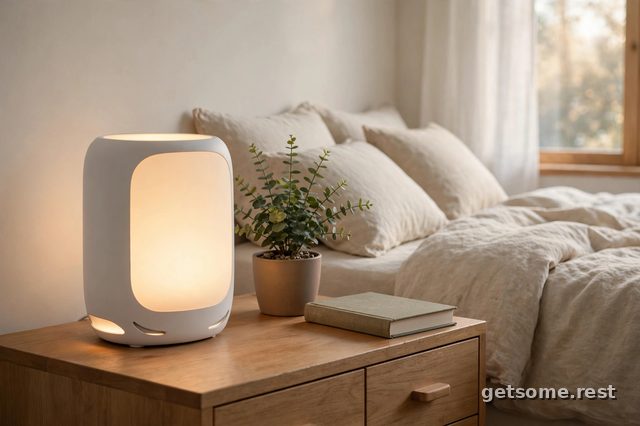 Best overall
Philips SmartSleep Wake-Up Light HF3520
The Philips SmartSleep HF3520 is the sunrise clock that defined the category, and for heavy sleepers it is still the safest bet. The 30-minute colored sunrise simulation moves gradually from soft red through orange to bright yellow light, easing you out of deep sleep before the sound even starts — and that light-first approach is exactly what heavy sleepers need. Five natural wake-up sounds plus FM radio give you backup options, with volume ramping gradually over 90 seconds. Set a phone alarm as backup for the first week if you are a very deep sleeper. At $108.99 direct from Philips (often less on Amazon), it is the proven middle ground.
$108.99 at time of writing
Pros
- 30-minute colored sunrise ramp from red to bright yellow
- 5 natural sounds plus FM radio with gradual volume increase
- 2-year warranty and 90-day money-back guarantee
Cons
- Light alone may not wake the very deepest sleepers
- Display can be bright in a dark bedroom
Best budget
Jall Sunrise Alarm Clock
If you want to find out whether sunrise waking works for you without spending much, the Jall Sunrise Alarm Clock is the budget classic at around $30. You get a genuine sunrise simulation with seven color options, a sunset mode for winding down, FM radio, and multiple natural sounds — a remarkable feature list for the price. Thousands of heavy sleepers use it as their daily driver. The light gradient is less smooth than the Philips, the build feels basic, and the display can be bright. But as a first sunrise clock it is a low-risk experiment — if the concept works, upgrade later.
$29.98 at time of writing
Pros
- Full sunrise simulation plus sunset mode for around $30
- 7 colors, FM radio and multiple natural sounds
- Snooze function and dual alarms for couples
Cons
- Light gradient less smooth than premium models
- Basic build quality and a bright display
Best smart sunrise
Hatch Restore 3
The Hatch Restore 3 approaches the heavy-sleeper problem from a different angle: instead of just a brighter light, it builds a full routine around your wake-up. The sunrise simulation is fully customizable through the app, and you can pair it with any of 20 alarm sounds — from gentle chimes to more insistent tones for the truly hard to wake. The evening wind-down routine helps you fall asleep earlier — the most effective heavy-sleeper strategy of all. The screen-free design with tactile buttons keeps your nightstand calm. Downsides: it needs WiFi, Hatch+ ($49.99/year) gates premium content, and $169.99 is steep. But as a complete sleep system, nothing else here comes close.
$169.99 at time of writing
Pros
- Fully customizable sunrise plus 20 alarm sounds via app
- Evening wind-down routine helps you fall asleep earlier
- Screen-free design with tactile buttons
Cons
- Needs WiFi — a dead router means a dumb clock
- Hatch+ subscription ($49.99/year) gates premium content
How we test
We never accept payment for rankings. Every product is judged against the same five checks:
- Price
- We record the real price at checkout, note regular discounts, and recheck prices when we update the guide.
- Materials
- We read the fabric, fill and build details, and note anything the brand doesn’t make clear.
- Sleep trials
- We check how long you can try the product at home and whether the trial has conditions.
- Warranty
- We compare warranty length and what it actually covers, in plain language.
- Return policy
- We look at how returns work, who pays for shipping, and how refunds are handled.
Frequently asked questions
Do sunrise alarm clocks actually work for heavy sleepers?
They help most heavy sleepers, but think of the light as a first-stage alarm rather than the whole solution. The gradual brightening pulls you from deep sleep into lighter sleep stages before your wake time, so when the sound kicks in, you are already closer to waking — that transition is what reduces the groggy sleep inertia that makes heavy sleepers hit snooze. Morning light exposure is consistently linked to better daytime alertness and mood. No light alone reliably wakes the deepest sleepers, which is why every clock here pairs sunrise with escalating sound: light starts 30 minutes before, sound finishes the job, backup phone alarm covers week one.
How long should the sunrise simulation last?
Twenty to 30 minutes is the sweet spot most manufacturers land on. The Philips SmartSleep uses a 30-minute ramp from dim red to bright yellow, which mirrors a natural dawn closely enough to ease you through sleep stages gradually. Shorter simulations of 10 to 15 minutes can work if you are a moderately heavy sleeper, but they give your body less time to transition out of deep sleep. Longer than 30 minutes risks waking you too early or disturbing a partner. Set the light to finish at your target wake time, not start then — the brightest light should coincide with when you need to be up. Start at maximum brightness; heavy sleepers need the full effect.
Can I use a sunrise alarm clock if my partner wakes at a different time?
Yes, with a little planning. The light from a sunrise clock is directional — it brightens your side of the bed far more than your partner's — and most partners adjust within a few nights, especially since the alternative is usually a blaring alarm. Choose adjustable brightness and aim the lamp toward your pillow. Some couples run two different wake times by setting the earlier riser's light to a shorter, dimmer simulation and using a gentle sound, saving the loud backup alarm for truly necessary mornings. If your partner is a very light sleeper, the Hatch Restore 3's customizable routines let you fine-tune intensity precisely. Try it for one week — most partners prefer 30 minutes of gradual light to a blaring phone alarm.
Do sunrise clocks help in winter or in windowless bedrooms?
This is actually where they shine brightest — literally. In winter, when the sun rises hours after your alarm, your body gets no natural light cue to start waking up, which is why dark mornings feel so much harder. A sunrise clock replaces that missing dawn with a consistent artificial one, and many users report the biggest difference between November and February. The same applies to windowless bedrooms, basement rooms and shift workers sleeping during the day. Because the light is timed to your schedule rather than the sun's, it works identically year-round. On dark winter mornings, flip on bright room lights as soon as you are up to reinforce the alertness signal.
What if I sleep through the light — which backup sounds work best?
First, don't panic — sleeping through the light in week one is normal, and it is why every serious sunrise clock includes sound. The most effective backup sounds for heavy sleepers are ones that escalate: start with a gentle natural sound like birdsong or ocean waves at low volume, then let the clock ramp up to something more insistent. Nature sounds work better than harsh beeps because they don't trigger the adrenaline jolt that makes you slam snooze and fall back asleep. FM radio (a talk station, not music) is surprisingly effective since unpredictable speech keeps your brain engaged. Set the sound for your target wake time, after the full 30-minute ramp, and keep a phone alarm as a safety net for the first week.
Key takeaways
- Our top pick for most people is Philips SmartSleep Wake-Up Light HF3520; Jall Sunrise Alarm Clock is the better choice on a tighter budget.
- Compare real checkout prices, materials, trial length, warranty and return terms before you buy.
- Heavy sleepers should treat the light as a first-stage alarm and always set a sound backup — no sunrise clock alone beats a two-stage wake-up.
- Rankings on GetSome Rest are never for sale, and we update our guides weekly.