Best White Noise Machine for Light Sleepers
The right white noise machine can turn a light sleeper into a deep sleeper. We compare three proven options, from a simple real-fan classic to a smart sleep companion.
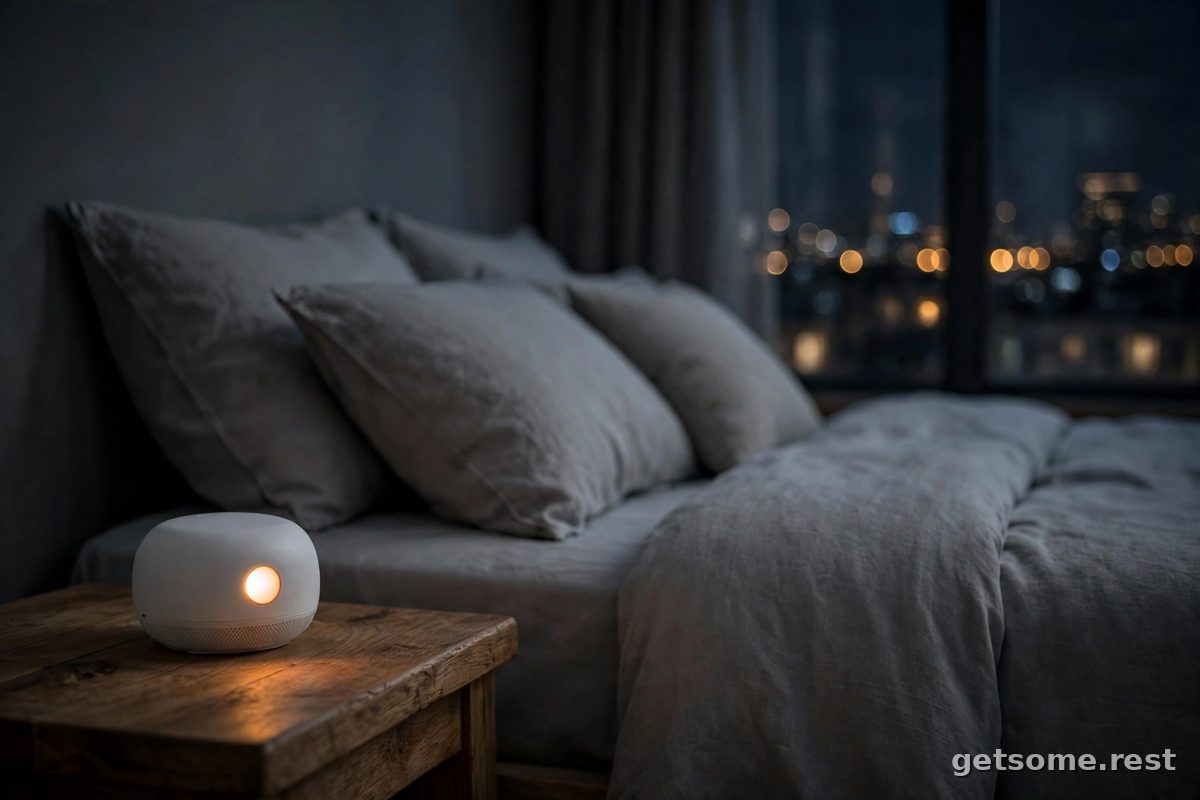
Choosing white noise machines for light sleepers is much easier once you know what to compare. We researched and tested the options so you can focus on the few details that really change how a product feels at night.
Contents
Our top picks at a glance
Here is how our three favorites compare. Each name links to its full write-up further down the page.
| Product | Best for | Price | Rating |
|---|---|---|---|
| Yogasleep Dohm Classic | Simple non-looping fan sound | $49.99 | 4.7 out of 5 |
| Dreamegg D1 Portable White Noise Machine | Affordable portable variety | $24.99 | 4.4 out of 5 |
| Hatch Restore 3 | Sunrise alarm plus sleep sounds | $169.99 | 4.5 out of 5 |
Prices last checked October 11, 2026 and may change. Ratings reflect our own testing and research.
How to choose white noise machines for light sleepers
In this guide, white noise machines for light sleepers means white noise machines for light sleepers are bedside sound devices that produce a steady, continuous background sound to mask the sudden noises that wake sensitive sleepers. Most buying mistakes come from skipping the same few checks, so run through the list below before you compare prices.
- Price: compare the real checkout price, including shipping, not just the list price.
- Materials: look for clear details about fabrics and fill instead of vague marketing terms.
- Trial period: a longer home trial makes it easier to return something that doesn’t suit you.
- Warranty and returns: read the terms, including who pays for return shipping.
Here is the key insight most roundups bury: your brain wakes you at changes in sound, not at sound itself. A door slamming, a notification ping, a partner rolling over — those sudden spikes are what pull a light sleeper out of sleep. A good machine raises the background sound floor with something perfectly steady, so those spikes stop registering as events. That is why non-looping sound matters: if your ears catch the seam where a recording repeats, your brain treats it as a change.
A 2026 study by the National Sleep Foundation and Tempur-Pedic found that 70% of adults report difficulty staying asleep, with environmental disruptions like noise and light cited as consistent barriers to uninterrupted sleep.
Source: National Sleep Foundation (via PR Newswire)
Setting up the rest of the room
A good product works best in a well-planned space. If you are still building your bedroom around it, our guide to Best Blackout Curtains for Shift Workers covers the basics, and our comparison of Best Sunrise Alarm Clock for Heavy Sleepers shows how similar options stack up.
Price and value
The most expensive option is rarely the best fit. We look at what each product costs per year of expected use, and we note when a cheaper alternative gets you most of the way there. For a closer look at budgets, see Best Budget Mattress Under $300, and for evening habits that pair well with new gear, read Best Pillows for Side Sleepers.
What light sleepers should listen for when testing
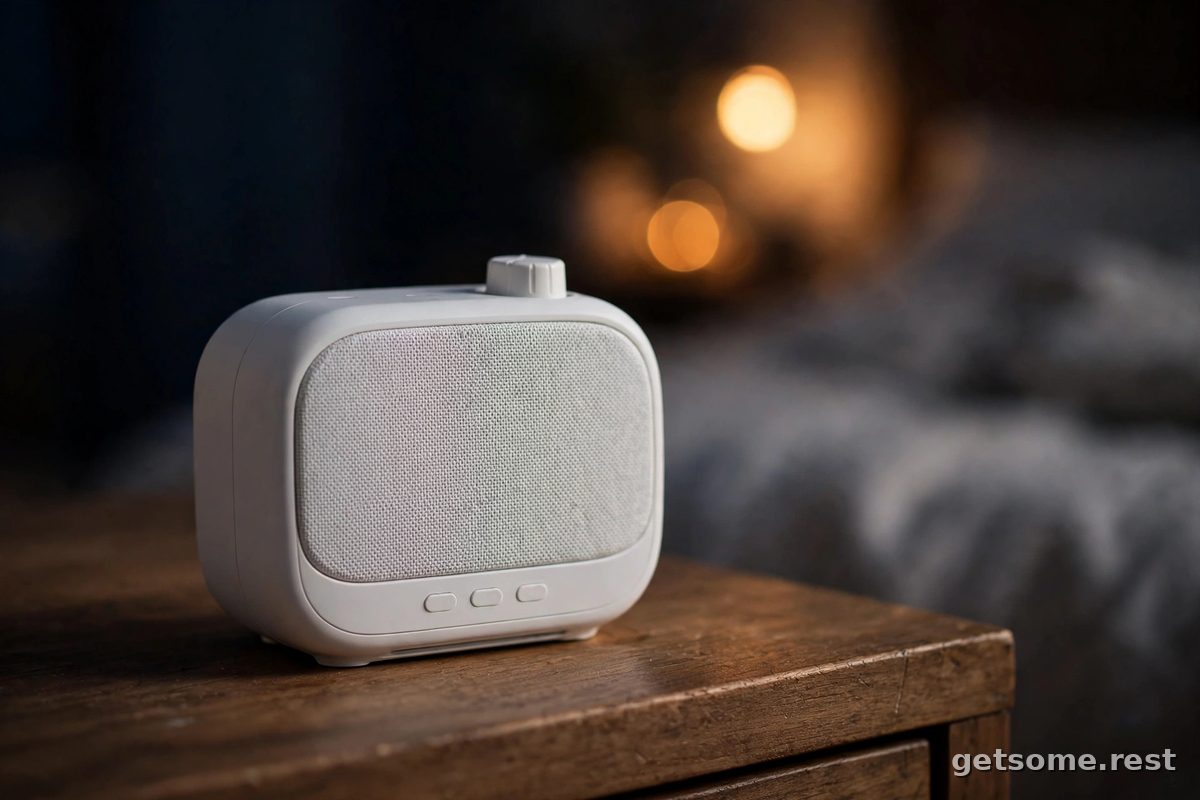
First, listen for the loop: play a candidate machine for ten minutes and notice whether you catch a repeating pattern. Real-fan machines like the Dohm avoid this entirely. Second, check the tone at low volume: a machine that sounds fine at full blast can turn harsh or hissy when turned down, and you will be running it quietly all night.
Third, count the volume steps, not the sounds: fine-grained control finds the minimum level that masks your noises, while five big jumps go from too-quiet to too-loud. Finally, test the controls in the dark — big tactile buttons beat a touchscreen at 3 a.m.
Our picks in detail
Each pick below includes a one-line verdict, the current price, and the main pros and cons from our testing.
We judged every machine on what matters to light sleepers: whether the sound truly loops, low-volume performance, and dark-friendly controls.
 Best overall
Yogasleep Dohm Classic
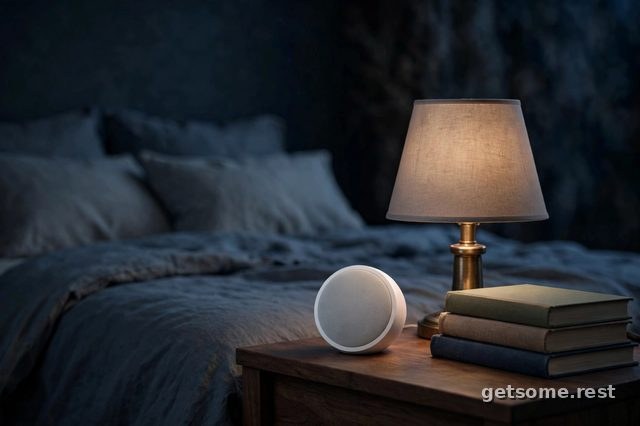
The Dohm Classic has been the light sleeper's default for decades, and the reason is simple: it does not play a recording at all. A real fan inside the housing creates a continuous rush of air sound, so there is no digital loop to detect — and light sleepers are exactly the people who notice loops. Two speeds and an adjustable tone dial let you tune the masking to your room. There is no app, Bluetooth, subscription or timer to fuss with. It needs a wall outlet and it is not the loudest machine here, but for pure, honest masking at $49.99, nothing beats it.
$49.99 at time of writing
Pros
- Real fan means genuinely non-looping sound — no digital seam to notice
- Dead-simple controls you can adjust in the dark
- Decades-proven design at half the price of premium fan machines
Cons
- Plug-in only — no battery for travel
- No timer, app or sound variety beyond the fan
Best budget
Dreamegg D1 Portable White Noise Machine
If you want to try white noise without committing, the Dreamegg D1 is the cheapest credible option at around $25. It is a compact digital machine with a decent library of white noise, fan sounds and lullabies, plus a night light — genuinely useful features at this price. For many light sleepers it will be perfectly adequate, especially in a quiet room where you only need to soften minor disturbances. The compromises are expected: short digital loops that sensitive sleepers may notice, a thinner-sounding small speaker, and basic build quality. Think of it as a low-risk experiment: if it works, you have solved your problem for the price of a pizza.
$24.99 at time of writing
Pros
- Very affordable way to test whether white noise helps you
- Compact and portable with a useful night light
- Decent sound library including fan sounds and lullabies
Cons
- Short digital loops may be noticeable to sensitive ears
- Small speaker sounds thin compared to real-fan machines
Best smart features
Hatch Restore 3
The Hatch Restore 3 is overkill if you only want white noise — and that is exactly why some light sleepers love it. Beyond its library of sleep sounds, it adds a dimmable bedside light, a sunset wind-down routine and a sunrise alarm, turning your nightstand into a full sleep ritual instead of a single-purpose gadget. The screen-free design has tactile buttons for the dark, and 40 sleep sounds plus 20 alarm sounds are included without paying extra. The catch is the Hatch+ subscription ($49.99/year) that unlocks the full content library, and the device needs WiFi to work properly. At $169.99 it is a lifestyle purchase, but for light sleepers who also struggle to fall asleep, the routine features earn their keep.
$169.99 at time of writing
Pros
- Sunrise alarm, wind-down routines and sleep sounds in one device
- Screen-free design with tactile buttons for the dark
- 40 sleep sounds and 20 alarm sounds included with no subscription required
Cons
- Hatch+ subscription ($49.99/year) gates the premium content library
- Needs WiFi — a dead router means a dumb clock
How we test
We never accept payment for rankings. Every product is judged against the same five checks:
- Price
- We record the real price at checkout, note regular discounts, and recheck prices when we update the guide.
- Materials
- We read the fabric, fill and build details, and note anything the brand doesn’t make clear.
- Sleep trials
- We check how long you can try the product at home and whether the trial has conditions.
- Warranty
- We compare warranty length and what it actually covers, in plain language.
- Return policy
- We look at how returns work, who pays for shipping, and how refunds are handled.
Frequently asked questions
What volume should I use for a white noise machine all night?
Keep it at the lowest volume that still masks the noises bothering you — typically around 50 decibels or lower at your pillow, about the level of a quiet conversation. The goal is to raise the background sound floor just enough that sudden noises like doors, traffic or a partner's snoring no longer stand out as sharp changes. Louder is not better: sustained high volumes can strain your hearing over time and may actually make it harder to fall asleep. Place the machine a few feet from your bed rather than next to your head, and choose one with fine volume steps. If you need very high volume to cope, combine a moderate level with earplugs or address the noise source itself.
White noise vs pink noise vs brown noise — which is best for light sleepers?
It depends on what wakes you. White noise spreads energy evenly across all frequencies, which makes it excellent at masking sharp, high-pitched sounds like notification pings, clinking dishes or squeaky floors. Pink noise softens the high frequencies, sounding more like steady rainfall — many people find it less harsh for all-night listening. Brown noise goes deeper still, with a low rumble like distant thunder, and it is particularly good at covering low-frequency disturbances such as traffic rumble or a snoring partner. Light sleepers often end up preferring pink or brown noise because they are easier on the ears over eight hours. Choose a machine that offers all three and experiment for a few nights with each.
Should a white noise machine run all night or on a timer?
For light sleepers, all night is usually better. The whole point of the machine is to keep the background sound steady so your brain stops reacting to changes — and the most disruptive noises often happen in the second half of the night, when your sleep is lighter and you are closer to waking. A timer that cuts the sound at 3 a.m. can leave you exposed during your most fragile sleep stages. The exception is if the machine itself bothers you once deeply asleep. Try a full night first and only switch to the timer if the sound itself becomes the problem.
Can a white noise machine help with a snoring partner?
It can help, but be honest about what it does: it masks the sound, it does not remove it. A steady layer of white or brown noise raises the background level so the snore no longer registers as a sudden change — and it is the change your sleeping brain reacts to, not the absolute volume. Many couples find that brown noise or a deep fan sound works best because snoring is low-frequency. Place the machine between you and your partner rather than right at your own pillow for the best masking effect. Very loud snoring can overpower any machine, and persistent loud snoring is worth mentioning to a doctor. A white noise machine is a comfort tool for the partner, not a treatment for the snorer.
Are phone apps as good as a dedicated white noise machine?
For a quick test, yes — apps are a fine way to find out whether white noise helps you. But for nightly use, a dedicated machine wins in three ways. First, no notifications: a phone can still buzz, ring or light up, which defeats the purpose for a light sleeper. Second, speaker quality: phone speakers are small and tinny, while even a $50 machine produces a fuller, less fatiguing sound. Third, the routine: a dedicated machine with physical buttons lets you start your sound without staring at a screen in bed, which supports better sleep habits overall. Use the app to discover your preferred sound, then buy the machine that reproduces it best.
Key takeaways
- Our top pick for most people is Yogasleep Dohm Classic; Dreamegg D1 Portable White Noise Machine is the better choice on a tighter budget.
- Compare real checkout prices, materials, trial length, warranty and return terms before you buy.
- For light sleepers, a non-looping sound source matters more than the number of sounds — a simple real-fan machine beats a 30-sound digital player if your ears catch the loop.
- Rankings on GetSome Rest are never for sale, and we update our guides weekly.