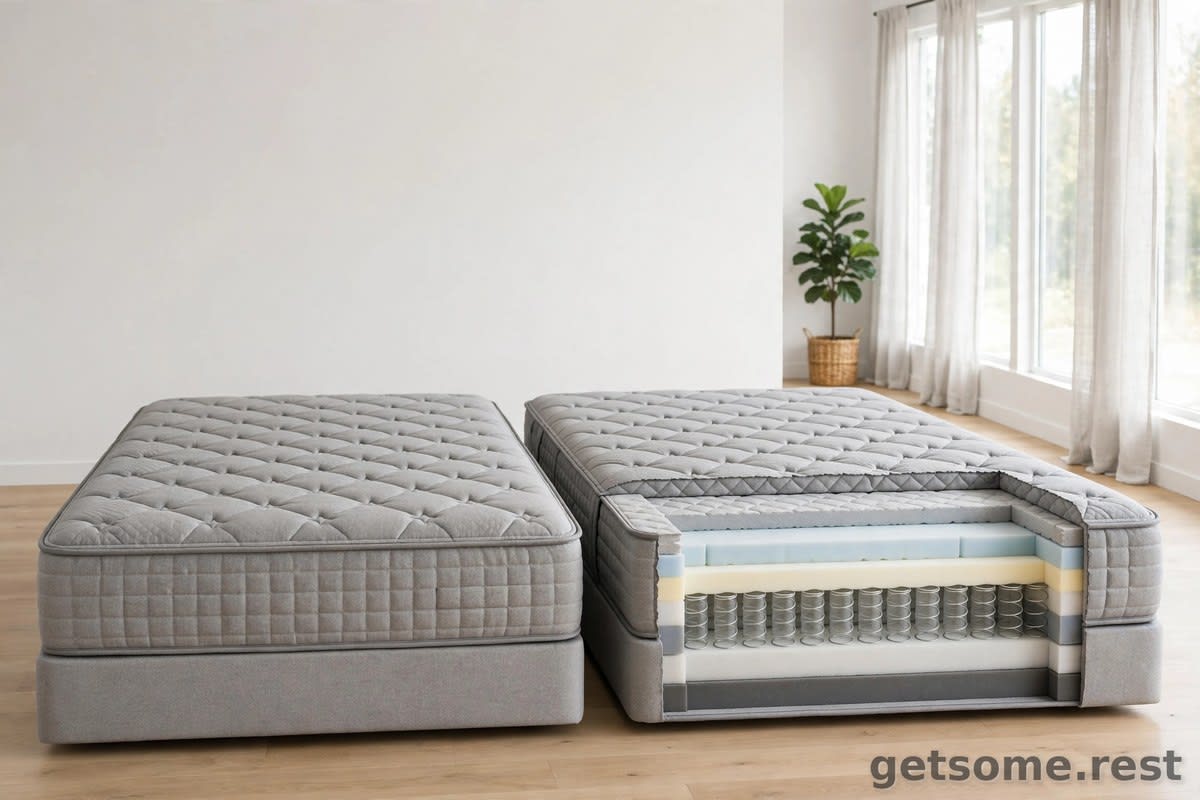
Best Mattress of 2026: Top Picks for Every Sleeper and Budget
Best mattresses of 2026 compared: Helix Midnight, Nectar, Saatva, Purple, DreamCloud and Casper on comfort, cooling, trials and value. Updated October 2026.
Shopping for a mattress in 2026 means sorting through dozens of near-identical claims. This guide cuts through the noise: six real mattresses, each the standout in its lane, compared on the things that actually change how you sleep — feel, support, cooling, trial terms and the price you will really pay. Each pick links down to a deeper dive where one exists, so you can start broad and go deep only where it matters to you.
Contents
Our top picks at a glance
Six mattresses, six lanes, zero overlap. This is the short version — the buying guide, the specs table and the full reviews are below.
| Pick | Winner | Typical queen price | Why |
|---|---|---|---|
| Best overall | Helix Midnight | ~$1,099 | Medium hybrid with no weak spots: comfort, cooling, motion isolation and value |
| Best budget | Nectar Classic | ~$699 | Quality all-foam mattress at a price the big brands cannot touch |
| Best for back sleepers | Saatva Classic | ~$1,904 | Dual-coil innerspring with zoned lumbar support and white-glove delivery |
| Best cooling | Purple Restore Hybrid | ~$2,295 | Open GelFlex Grid plus coil airflow — the coolest-sleeping bed here |
| Best value hybrid | DreamCloud Luxury Hybrid | ~$999 | 365-night trial and lifetime warranty at a mid-range price |
| Best luxury | Casper Wave Hybrid | ~$2,195 | Zoned ergonomic support and premium build for the splurge budget |
Prices last checked October 2026. Queen prices shown are typical sale prices — every brand here discounts near-constantly, so check the live price.
How to choose the best mattress for you
The mattress industry wants you to believe the choice is complicated. It is really four questions: how you sleep, what type suits you, what you can spend, and how long you get to change your mind.
- Match firmness to your position. Side sleepers are most comfortable on medium (5–6/10) beds that cushion shoulders and hips; back sleepers on medium to medium-firm (6–7/10); stomach sleepers on firmer (7–8/10). Combination sleepers should split the difference at 6/10. This is a comfort starting point, not a diagnosis.
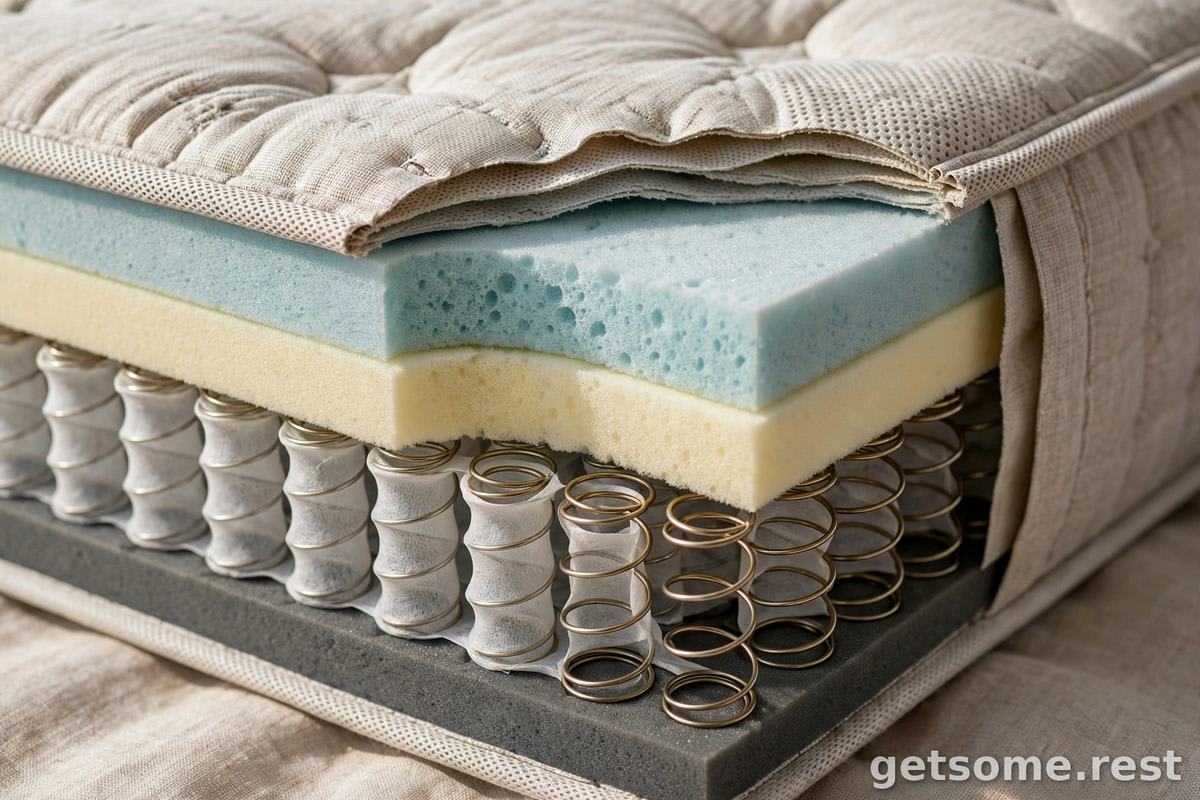
- Pick a type, not just a brand. All-foam mattresses (Nectar) hug deepest and isolate motion best, but sleep warmest. Hybrids (Helix, DreamCloud, Casper, Purple) put comfort foam over coils — contouring plus bounce plus airflow, the safe default for most buyers. Innersprings (Saatva) feel most traditional, sleep coolest and usually outlast foam, with less motion isolation. If heat is your main enemy, our memory foam vs hybrid guide for hot sleepers and latex vs memory foam cooling comparison go deeper.
- Set your budget band. Under $500: budget foam territory, where our best budget mattresses under $300 guide lives. $500–$1,200: the value sweet spot (Nectar, DreamCloud, Helix on sale). $1,200–$2,000: premium hybrids and innersprings (Saatva, Purple). $2,000+: luxury builds where service and materials justify the price.
- Weight the trial and warranty. A 365-night trial (Nectar, Saatva, DreamCloud) is meaningfully better than 100 nights if you are a slow decider or sleep differently in summer and winter. Lifetime warranties (Nectar, Saatva, DreamCloud) beat 10-year ones, though the fine print on all of them covers defects, not normal softening.
- Do not overpay for cooling marketing. Gel infusions and phase-change covers help a little; open structure (coils, grids, latex) helps a lot. If you run genuinely hot, the bed matters less than the stack: a breathable mattress plus a cooling mattress topper beats a “cooling” all-foam mattress every time.
Memory foam hugs and pressure-relieves — good for side sleepers. Hybrid balances contour and bounce — the safe pick for most buyers. Innerspring sleeps coolest and lasts longest.
Source: our synthesis of 2026 reviewer testing across major sleep publications
Who each pick is really for
The Helix Midnight is the pick for the undecided majority — couples, combination sleepers, and anyone buying their first “real” mattress. The Nectar Classic is for budget buyers who refuse to sleep on junk. The Saatva Classic is for back sleepers and traditional-mattress loyalists who want white-glove service. The Purple Restore is for hot sleepers who have tried everything else. The DreamCloud is for deal-hunters who want the longest possible test drive. The Casper Wave Hybrid is for the splurge: zoned ergonomic support in a premium package.
Head-to-head specs
The raw numbers behind the verdict. Prices are typical sale prices for a queen, last checked October 2026.
| Feature | Helix Midnight | Nectar Classic | Saatva Classic | Purple Restore | DreamCloud | Casper Wave Hybrid |
|---|---|---|---|---|---|---|
| Type | Hybrid (foam + coils) | All-foam (memory foam) | Innerspring (dual coil) | Hybrid (GelFlex Grid + coils) | Hybrid (foam + coils) | Hybrid (zoned foam + coils) |
| Feel | Medium, ~6/10 | Medium-firm, ~6.5/10 | Luxury Firm, ~6/10 | Firm, ~7/10 | Medium-firm, ~6.5/10 | Medium, ~6/10 |
| Height | 12 in | 12 in | 11.5 in | 11.5 in | 12+ in | 13 in |
| Best for | Most sleepers | Budget, side sleepers, couples | Back sleepers | Hot sleepers | Value seekers | Luxury buyers |
| Motion isolation | Excellent | Excellent | Good | Good | Good | Very good |
| Cooling | Good | Average | Very good | Excellent | Good | Good |
| Trial | 100 nights | 365 nights | 365 nights | 100 nights | 365 nights | 100 nights |
| Warranty | 10 years | Forever | Lifetime | 10 years | Lifetime | 10 years |
| Queen price | MSRP $1,374, ~$1,099 sale | MSRP $1,199, ~$699 sale | MSRP $2,229, ~$1,904 sale | ~$2,295 | MSRP $1,332, ~$999 sale | ~$2,195 |
Specs from brand pages and reviewer testing, October 2026. Feel ratings are reviewer consensus on the 1–10 scale (1 = softest).
Our verdict: the best mattress of 2026
Buy the Helix Midnight if you want one safe answer. It is the best all-round mattress of 2026 because it has no real weakness: a medium feel that suits side, back and combination sleepers, hybrid airflow that beats all-foam for temperature, motion isolation strong enough for couples, and a typical sale price around $1,099 that keeps it in the value zone. Our Helix Midnight vs DreamCloud deep dive covers the closest alternative in detail.
Buy the Nectar Classic if budget is the constraint. At a typical ~$699 for a queen, it is the cheapest way to get a genuinely good night’s sleep — plus a 365-night trial and Forever warranty that embarrass beds twice the price. Side sleepers and couples on a budget should start here; our under-$500 guide has even cheaper starting points.
Buy the Saatva Classic if you sleep on your back or want the traditional feel. The dual-coil build with a dedicated lumbar zone is engineered support you can feel, and free white-glove delivery with old-mattress removal is a luxury the bed-in-a-box brands do not match. Expect ~$1,904 on sale.
Buy the Purple Restore if you sleep hot. The GelFlex Grid plus coils is the most breathable construction on this list by a clear margin — but at ~$2,295 with a firmer 7/10 feel, it is a specialist bed. Pure side sleepers may find it too firm; our latex vs memory foam cooling comparison covers softer cool-sleeping options.
Buy the DreamCloud Luxury Hybrid if you want the longest test drive. A 365-night trial and lifetime warranty at a typical ~$999 sale price is unmatched value for the cautious buyer. See our Helix vs DreamCloud comparison for the full head-to-head.
Buy the Casper Wave Hybrid if you are spending luxury money anyway. Zoned ergonomic support — softer at the shoulders, firmer at the hips — in a premium 13-inch build. At ~$2,195 it is a splurge, but it is the most engineered comfort on this list.
In-depth reviews: the six mattresses
One-line verdicts, current prices and the main pros and cons from our research. Prices are typical sale prices for a queen at the time of writing. Links are plain — no affiliate tags attached yet.
Best overallHelix Midnight
The best all-round mattress of 2026: a medium hybrid with excellent pressure relief, strong motion isolation and a fair sale price.
~$1,099 queen, typical sale price (MSRP $1,374)
Pros
- Medium 6/10 feel suits side, back and combination sleepers
- Excellent pressure relief for shoulders and hips
- Minimal motion transfer — great for couples
- Hybrid airflow sleeps cooler than all-foam
Cons
- 100-night trial trails the 365-night crowd
- Standard foam runs a touch warmer than gel or grid beds
- Strict stomach sleepers may want firmer
Best budgetNectar Classic
The budget champion: quality memory foam comfort at ~$699, with a 365-night trial and Forever warranty.
~$699 queen, typical sale price (MSRP $1,199)
Pros
- Outstanding value — under $700 for a quality queen
- 365-night trial and Forever warranty
- Excellent motion isolation for couples
- Deep pressure relief that side sleepers love
Cons
- All-foam sleeps warmer than hybrids
- Less responsive — some dislike the “stuck” feel
- Edge support is only average
Best for back sleepersSaatva Classic
The premium innerspring: dual coils with a lumbar zone pad, free white-glove delivery, and hotel-quality feel.
~$1,904 queen, typical sale price (MSRP $2,229)
Pros
- Dual-coil construction with dedicated lumbar support zone
- Free white-glove delivery and old-mattress removal
- 365-night trial and lifetime warranty
- Sleeps cool and feels responsive, not stuck
Cons
- Premium price even on sale
- $99 return transportation fee
- Motion isolation trails all-foam rivals
Best coolingPurple Restore Hybrid
The coolest-sleeping bed here: the open GelFlex Grid over coils moves heat better than any foam stack.
~$2,295 queen, current price at time of writing
Pros
- Class-leading airflow and temperature neutrality
- Firm 7/10 support suits back and stomach sleepers
- Responsive grid — no stuck feeling
- Strong edge support
Cons
- Too firm for many pure side sleepers
- Premium price, only 10-year warranty
- Grid feel is unusual — needs a 2–3 week adjustment
Best value hybridDreamCloud Luxury Hybrid
The risk-free pick: a 365-night trial and lifetime warranty on a mid-range hybrid that usually sells for ~$999.
~$999 queen, typical sale price (MSRP $1,332)
Pros
- 365-night trial and lifetime warranty — best terms in class
- Gel-infused comfort foam sleeps slightly cooler
- Usually the cheapest quality hybrid on sale
- Cashmere-blend Euro-top feels premium
Cons
- Slightly firmer feel — less kind to side-sleeper shoulders
- Motion isolation good but not Helix-level
- Tall profile may need deep-pocket sheets
Best luxuryCasper Wave Hybrid
The splurge: zoned ergonomic support — softer at shoulders, firmer at hips — in a 13-inch premium build.
~$2,195 queen, typical street price at time of writing
Pros
- Zoned support targets shoulders and hips differently
- Premium 13-inch hybrid construction
- Good balance of contouring and responsiveness
- Strong brand service and 100-night trial
Cons
- Luxury price with only a 10-year warranty
- Diminishing returns over the Helix for most sleepers
- Heavier and harder to move than bed-in-a-box rivals
How we test
We do not run a sleep lab — and this guide is about comfort and sleep environment, not medical advice. Our job is narrower: compare documented specs, real-world pricing and the patterns across hands-on reviewer testing, then weight everything for the sleeper each pick serves. Here is exactly what went into these rankings.
- Spec sources
- Construction, firmness ratings, dimensions, trial and warranty terms come from the brands’ own product pages, cross-checked against reviewer measurements where they disagree.
- Performance patterns
- Pressure relief, cooling, motion isolation and edge support are summarized from hands-on testing across multiple major sleep publications — we look for agreement across reviewers, not single opinions.
- Price checks
- MSRP and typical sale prices were verified October 2026 against brand pages and third-party 2026 price trackers. Every brand here discounts near-constantly, so we report typical prices rather than single-day snapshots.
- Sleeper lens
- Each pick is judged for its lane: the overall pick for versatility, the budget pick for value per dollar, the back-sleeper pick for support, the cooling pick for temperature neutrality, and the luxury pick for whether the premium is earned.
- Independence
- We never accept payment for rankings. Product links in this article are plain — no affiliate tags attached.
Frequently asked questions
What is the best mattress overall in 2026?
The Helix Midnight. At a typical sale price around $1,099 for a queen, its medium feel (6/10) suits side, back and combination sleepers, the hybrid build sleeps cooler than all-foam, and motion isolation is strong enough for couples. It is the rare mattress with no glaring weakness — which is exactly what a best-overall pick should be.
How much should you spend on a good mattress?
The sweet spot is $700–$1,200 for a queen: that buys a well-built hybrid or quality memory foam from an established brand, usually with a 100-night-plus trial. Below $500 you are in budget territory — our best mattresses for back pain under $500 and best budget mattresses under $300 guides cover that ground. Above $1,500 you pay for premium construction, materials and white-glove service.
Which mattress type is best — memory foam, hybrid or innerspring?
It depends on what bothers you most. Memory foam (Nectar) gives the deepest hug and best motion isolation but sleeps warmest. Hybrids (Helix, DreamCloud, Casper, Purple) balance contouring with bounce and airflow — the safest pick for most buyers. Innersprings (Saatva) sleep coolest, feel most responsive and usually last longest, but isolate motion less well. Our memory foam vs hybrid guide for hot sleepers breaks down the temperature question in detail.
What firmness should side and back sleepers choose?
As a rough guide: side sleepers are most comfortable around 5–6/10 (medium to medium-soft) so shoulders and hips can sink in; back sleepers around 6–7/10 (medium to medium-firm) for balanced support; stomach sleepers 7–8/10. This is about comfort and feel, not treatment — if you wake up with persistent discomfort, a different mattress type is worth trying, and a clinician is the right call for anything ongoing.
How long should you test a mattress before deciding?
At least 3–4 weeks: foams need a break-in period and your body needs time to adjust. Trials run from 100 nights (Helix, Purple, Casper) to a full 365 nights (Nectar, Saatva, DreamCloud). The 365-night trials remove nearly all purchase risk, so if you are undecided between two similar beds, the longer trial is a genuine tiebreaker.
Key takeaways
- The Helix Midnight (~$1,099 queen on sale) is the best all-round mattress of 2026 — medium feel, strong motion isolation and hybrid cooling with no glaring weakness.
- The Nectar Classic (~$699) is the best budget pick: quality all-foam comfort with a 365-night trial and Forever warranty at a price the premium brands cannot touch.
- Back sleepers should look at the Saatva Classic (~$1,904 sale): dual-coil support with a lumbar zone and free white-glove delivery.
- Hot sleepers get the most from the Purple Restore (~$2,295) — the GelFlex Grid over coils is the coolest-sleeping construction here — or from pairing any breathable bed with a cooling mattress topper.
- Trials matter: 365-night options (Nectar, Saatva, DreamCloud) remove nearly all purchase risk for slow deciders.
- Check live sale prices before buying — the gap between MSRP and street price is often hundreds of dollars on every bed here.