How to Sleep Better With Menopause Night Sweats (2026)
Night sweats don't have to wreck your sleep. Cooler rooms, breathable bedding and layered sleepwear that help you sleep more comfortably — environment only.
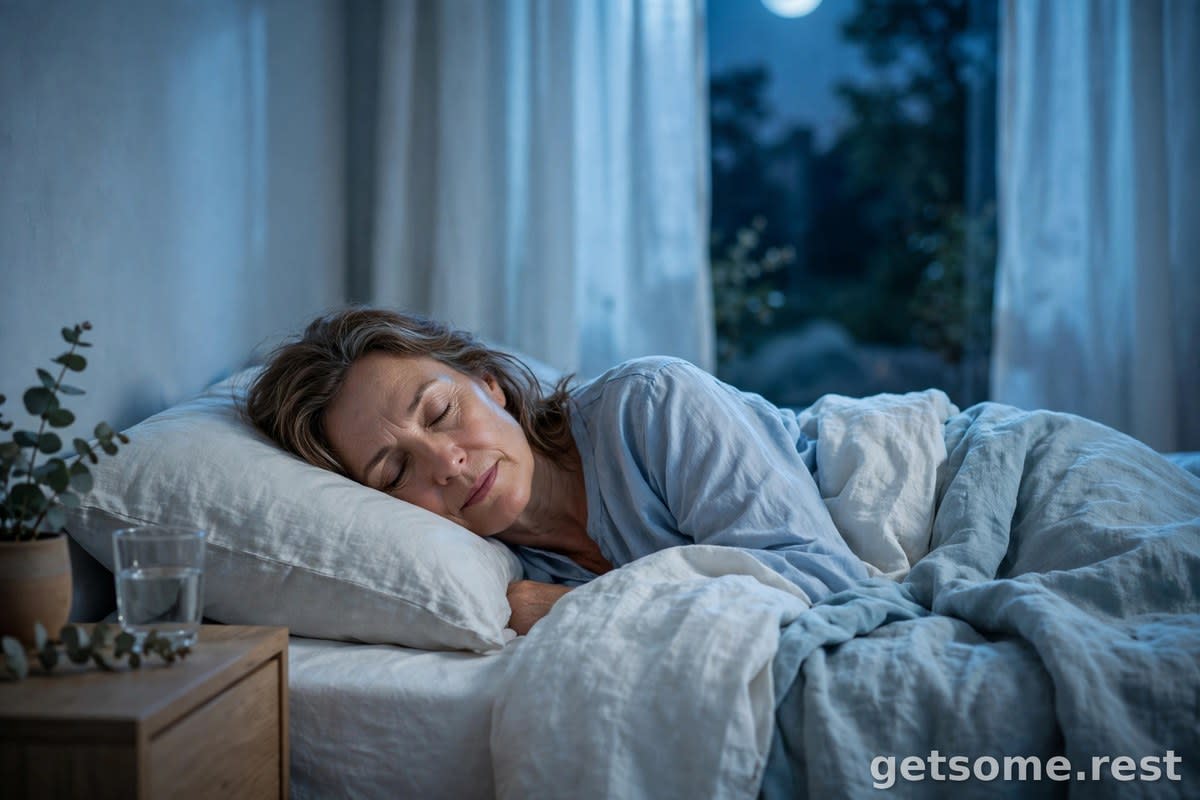
A night sweat wakes you at 2 a.m., soaked and wide awake, and then the real problem starts: getting back to sleep in a damp bed in a warm room. It is common — the SWAN study of 3,302 women found up to 80% experience hot flashes or night sweats during the menopause transition, and the Sleep Health Foundation puts the range at 36 to 87%, with 40 to 60% reporting sleep disturbance. This guide is about the half of the problem you can control from your bedroom: temperature, bedding, sleepwear and routine. It is general information about sleep environment and comfort, not medical advice — it does not cover hormone therapy, supplements or any treatment, and if your symptoms are persistent or severe, talk to a doctor.
Contents
The Short Answer: Cool the Room, Cool the Bed
Night sweats are a temperature problem with two halves: your body heats up, and your bedroom and bedding trap the heat. You cannot control the first half from a shopping guide — that is a medical conversation — but you can control the second half, and it matters more than it sounds. A cool room and breathable bedding do not stop a sweat episode, but they shorten it and, more importantly, they make it easier to fall back asleep afterwards instead of lying awake in a damp bed.
The three moves that matter most: first, set the room to 65–68°F, the range Sleep Foundation recommends for sleep, and run a fan so air moves across the bed. Second, change what you sleep under — moisture-wicking bamboo or percale sheets and a cooling pillow move heat and sweat away from your skin instead of holding them against it. Third, sleep in loose, light layers you can push off in seconds, and keep a spare pillowcase and a dry top sheet within reach so a 2 a.m. change takes a minute, not a full wake-up. The rest of this guide prices each piece, from a $100 sheet set to a $1,299 bed-cooling system, so you can build the setup that fits your budget.
What Temperature Should Your Bedroom Be?
Sleep Foundation's guidance is specific: the best room temperature for sleep is approximately 65°F (18.3°C), with most doctors recommending 65 to 68°F (15.6 to 20°C). The reason is physiological, not preference — your core temperature has to fall for you to fall asleep, and a higher core temperature is linked to less slow-wave, deep sleep. A room that feels fine at 10 p.m. can feel stifling at 2 a.m. after a sweat episode, which is why the thermostat setting matters more for night sweats than for ordinary sleep.
Start with the room, not the shopping
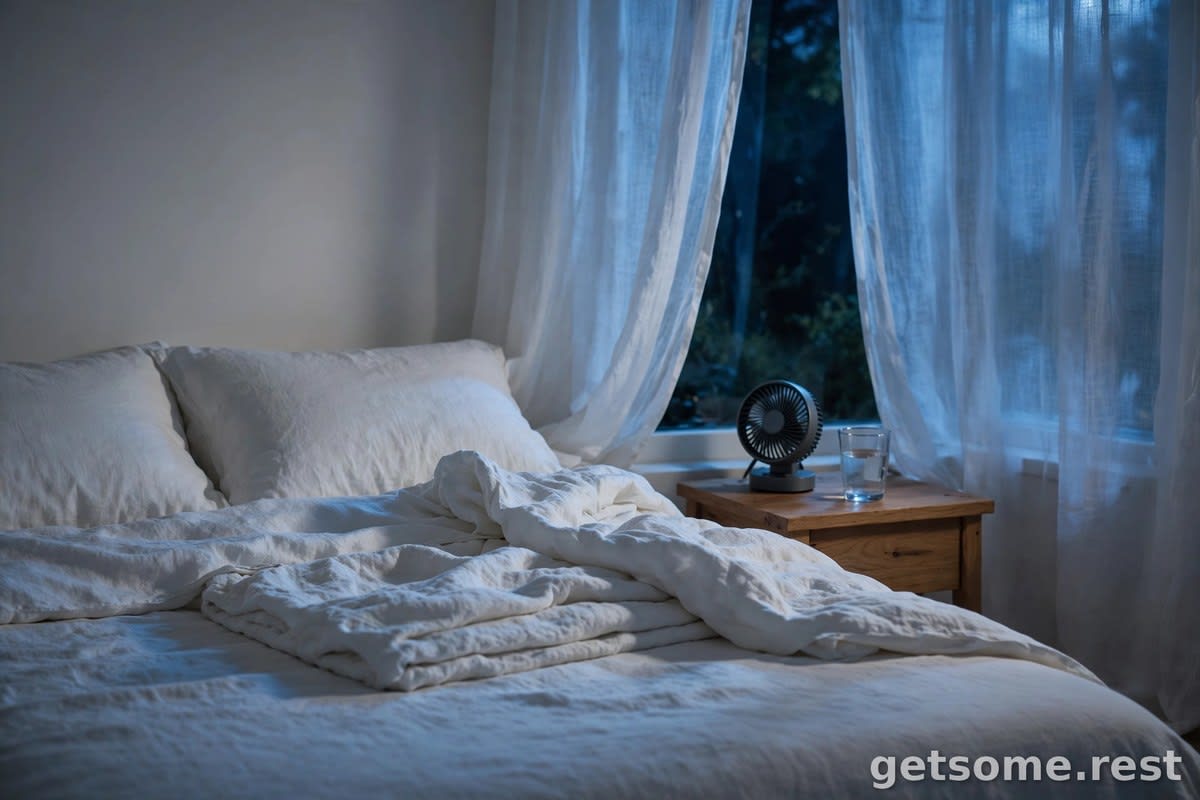
Before buying anything, try three free changes for a week. Set the thermostat to 65–68°F at night and leave it there — a steady cool room beats a room you cool down after you are already awake. Run a fan, even a small bedside one, because moving air evaporates sweat and cools skin far faster than still air. And take a cool shower before bed: it drops your skin temperature and gives your body a head start on the overnight cool-down. If those three changes do not help enough, the bedding and sleepwear below are the next step — and if a bed fan or a water-cooled system sounds extreme, remember that they exist precisely for this problem, and the BedJet has been selling to hot sleepers for years.
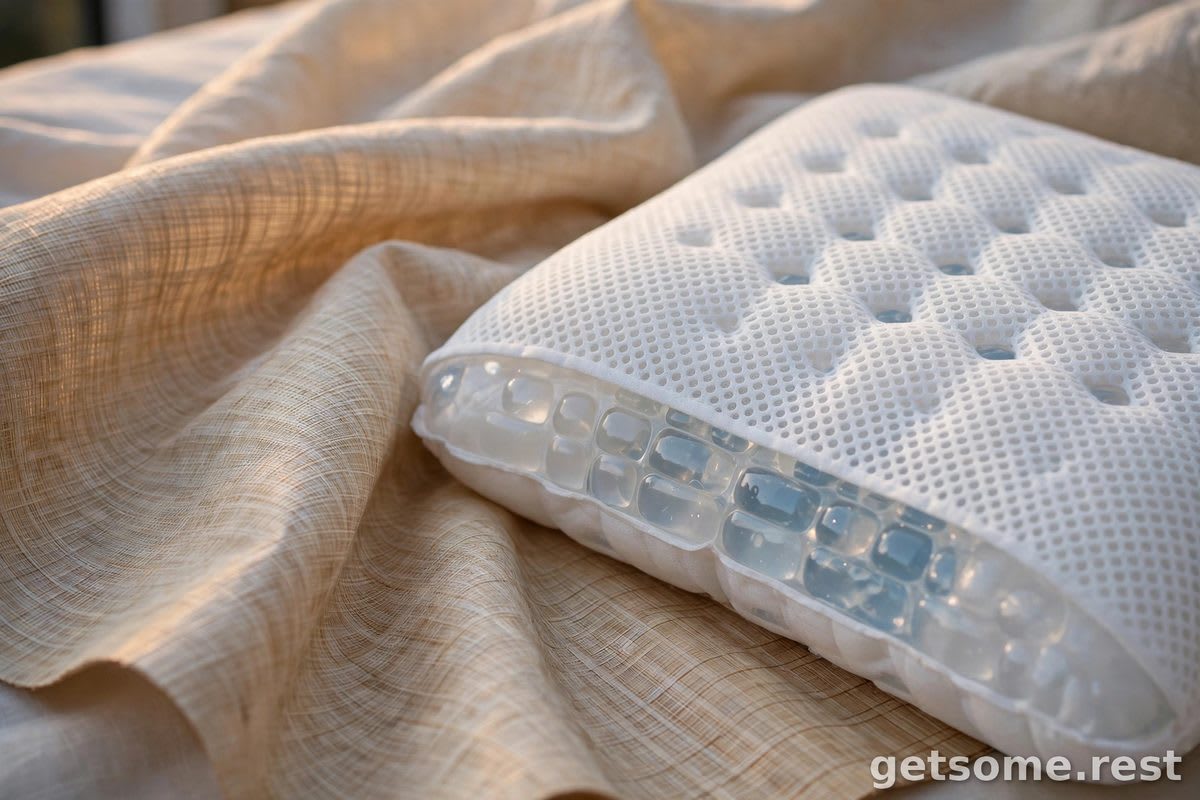
Cooling Bedding Compared: Pillows, Sheets and Fans
The short version: real products, current prices checked November 17, 2026, what each one does, and who it suits. Prices move with sales, so verify before you buy — the Purple Harmony is $229 list but often around $194 on Amazon, and the Quince bamboo set ranges from about $100 to $134 depending on size and sale.
| Product | Price | What it does | Best for |
|---|---|---|---|
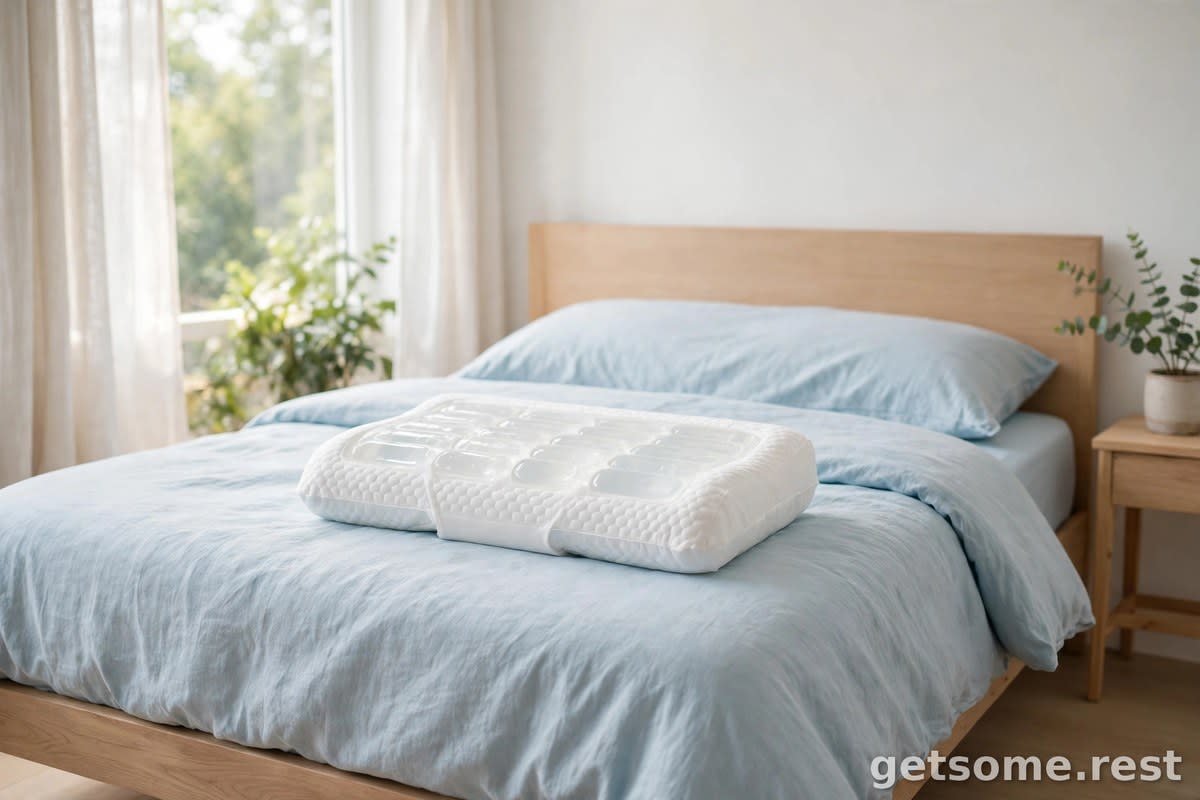
| Purple Harmony Pillow | $229 list, ~$194 on Amazon | Talalay latex + GelFlex Grid, open airflow | Strongest cooling pillow |
| Coop Eden Pillow | $109 Queen | Adjustable shredded gel foam, breathable cover | Best value cooling pillow |
| Quince Bamboo Sheet Set | ~$100–$134 Queen | Organic bamboo viscose, moisture-wicking | Best value cooling sheets |
| Cozy Earth Bamboo Sheet Set | ~$258–$308, list $369 | Bamboo viscose, 10-year warranty | Premium bamboo sheets |
| BedJet 3 Climate System | $417–$569 single-zone | Forced air, 66–104°F, app control | Active bed cooling |
| ChiliSleep Dock Pro | $999+ half-bed, ~$1,299 full | Water-cooled, 55–115°F | Strongest active cooling |
| Lunya Washable Silk Set | $198–$288 list, ~$130–$155 on sale | Mulberry silk, thermoregulating | Breathable luxury sleepwear |
Two cheaper routes worth knowing: Silk & Snow percale sheets run about $100 to $106 on sale (list $160), and Brooklinen Classic Percale is $169 — both are breathable cotton percale, which sleeps cooler than sateen. And for sleepwear, Quince washable silk sets run $50 to $80, a fraction of Lunya's price.
Our Pick: The $250 Cooler-Bed Setup
You do not need a $1,299 cooling system to sleep better with night sweats. The setup we would buy first costs about $210 to $250 and covers the three things that matter: a cooling pillow, moisture-wicking sheets, and air movement you already own. The Coop Eden Pillow at $109 for a Queen is the value cooling pillow — adjustable shredded gel memory foam with a breathable cover, so you can tune the loft to your sleep position while the gel and airflow do the cooling work. Pair it with the Quince Organic Bamboo Sheet Set at around $100 to $134 for a Queen: 100% organic bamboo viscose, moisture-wicking, with a 365-day return policy. Add the fan you already own, pointed across the bed, and the thermostat at 65–68°F.
If you want to spend more, spend it on the pillow first: the Purple Harmony at $229 list (often about $194 on Amazon) is the strongest cooling pillow we have covered, with a Talalay latex core and an open GelFlex Grid that moves air through the whole pillow rather than just the surface. The BedJet 3 at $417 to $569 is the next step for the worst nights — forced air under the sheets, no subscription — and the ChiliSleep Dock Pro at $999 and up is the strongest active cooling available, water-cooled from 55 to 115°F. Both are real options, but try the $250 setup first; most people find it is enough.
Sleepwear, Layers and the Night Routine
Sheets: bamboo wicks, percale breathes
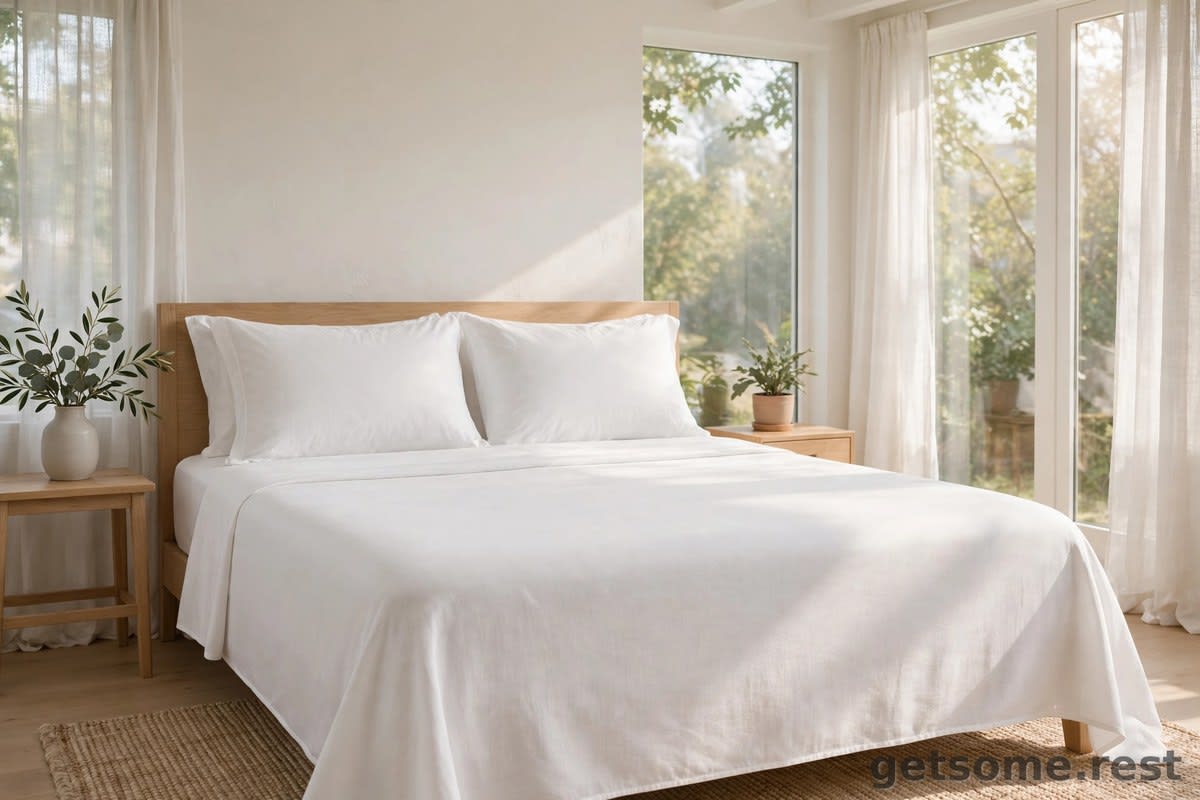
The job of a sheet during a night sweat is to move moisture away from your skin so evaporation can cool you, and to not trap heat while it does. Bamboo viscose does this well: the Quince Organic Bamboo set at around $100 to $134 for a Queen is the value pick, Cozy Earth's bamboo set at roughly $258 to $308 street (list $369) is the premium version with a 10-year warranty, and Ettitude splits the difference with CleanBamboo from $229 and Signature Sateen at $359 for a Queen — different lines, so do not compare them as one price. If you prefer cotton, percale is the weave to look for: Silk & Snow percale at about $100 to $106 on sale and Brooklinen Classic Percale at $169 both sleep noticeably cooler than sateen, because the crisp weave lets air through. Whatever you buy, keep a spare top sheet folded at the foot of the bed — swapping a damp sheet at 2 a.m. is a one-minute job if the spare is already there.
Sleepwear: loose, light, moisture-wicking
The same rule applies to what you wear: loose and light beats tight and heavy, and moisture-wicking fabric beats cotton, which holds sweat against the skin. Lunya's washable silk sets at $198 to $288 list (often $130 to $155 on sale) are the luxury version — 100% mulberry silk, machine-washable, genuinely thermoregulating — and Quince's washable silk sets at $50 to $80 are the budget version of the same idea. If silk is not your style, any loose bamboo or moisture-wicking set works; the fabric matters more than the brand. Sleep in layers you can push off: a light top over a camisole, or a sheet over a light blanket, so a sweat episode costs you a kicked-off layer instead of a full wake-up.
Bed cooling systems: when the room is not enough
For the nights when a cool room and breathable bedding are not enough, active systems move the air or water for you. The BedJet 3 at $417 to $569 for a single zone blows temperature-controlled air under the sheets from 66 to 104°F, with app and Alexa control and no subscription. The ChiliSleep Dock Pro at $999 and up for a half-bed (about $1,299 for a full bed) circulates water from 55 to 115°F and is the strongest cooling available — some roundups show $699 to $799, but those figures look like sales or refurbished units, so verify live. Both are real purchases for a real problem, not gadgets: if night sweats are waking you most nights, the cost per good night falls fast.
How We Reported This Story
This guide is built from sleep research, the manufacturers' own specifications and current prices — and from a deliberate boundary: it covers bedroom environment, bedding and routine only. It does not cover hormone therapy, supplements, medication or any treatment, and it does not claim any product treats or stops night sweats. If your symptoms are persistent, severe, or disrupting your daily life, talk to a doctor.
- The facts: the SWAN study (Study of Women's Health Across the Nation, 3,302 women) found up to 80% of women experience hot flashes or night sweats during the menopause transition; the Sleep Health Foundation puts the range at 36 to 87%, with 40 to 60% reporting sleep disturbance. Sleep Foundation recommends 65 to 68°F for sleep, with approximately 65°F as the ideal.
- Prices: Purple Harmony ($229 list, ~$194 on Amazon) from purple.com; Coop Eden ($109 Queen) from Target; Quince Bamboo ($100–$134 Queen) from quince.com and Sleep Foundation; Cozy Earth ($258–$308 street, $369 list) from retailer roundups; BedJet 3 ($417–$569 single-zone) and ChiliSleep Dock Pro ($999+ half-bed, ~$1,299 full) from brand and retailer listings; Lunya ($198–$288 list) from Neiman Marcus and Shopbop. All prices checked November 17, 2026.
Frequently asked questions
What is the best room temperature for sleeping with night sweats?
Between 65 and 68°F (15.6 to 20°C), with about 65°F as the ideal, according to Sleep Foundation. Your core temperature has to fall to fall asleep, and a cool room helps that happen — and helps you fall back asleep faster after a sweat episode. Keep the temperature steady all night rather than cooling the room down after you wake up.
Do cooling pillows help with night sweats?
They help you feel cooler and fall back asleep faster — they do not stop night sweats. A cooling pillow moves heat away from your head with gel, phase-change material or airflow, and a breathable cover lets sweat evaporate. The Purple Harmony ($229) is the strongest cooling pillow we have covered, and the Coop Eden ($109) is the best value. Neither is a treatment.
Are bamboo sheets better than cotton for night sweats?
Bamboo viscose wicks moisture away from the skin better than most cotton, which is why it is the usual recommendation — the Quince bamboo set runs about $100 to $134 for a Queen. But cotton percale is also a good choice: its crisp, open weave breathes well and sleeps cooler than sateen. Either beats a heavy sateen or flannel sheet.
Should I use a fan or air conditioning for night sweats?
Either works, and they do different jobs. Air conditioning controls the room temperature — set it to 65–68°F. A fan moves air across the bed, which evaporates sweat and cools skin faster than still air. The best setup is both: cool air plus moving air. A bedside fan pointed across the bed is enough to start with.
When should I talk to a doctor about night sweats?
If they are persistent, severe, or disrupting your daily life — waking you most nights, leaving you exhausted during the day, or coming with other symptoms that worry you. This guide covers bedroom environment and routine only. A doctor can talk through the medical options, which are outside what a sleep-product guide should cover.
Key Takeaways
- Cool the room first: 65–68°F, steady all night, with a fan moving air across the bed. It costs nothing and it is the single biggest change.
- Best value setup, about $250: a Coop Eden cooling pillow ($109) plus a Quince bamboo sheet set (about $100–$134) plus the fan you already own.
- Strongest cooling pillow: the Purple Harmony at $229 list, often about $194 on Amazon — an open grid that moves air through the whole pillow.
- Sheets matter as much as pillows: bamboo viscose wicks moisture, percale breathes. Keep a spare top sheet at the foot of the bed for 2 a.m. swaps.
- Sleep in layers you can shed: loose, light, moisture-wicking sleepwear — silk or bamboo — so a sweat episode costs you a kicked-off layer, not a full wake-up.
- When the room is not enough: the BedJet 3 ($417–$569) and ChiliSleep Dock Pro ($999+) are real active cooling, not gadgets — worth it if sweats wake you most nights.
- What this guide does not do: it covers environment and routine only. Persistent or severe symptoms belong with a doctor, not a shopping guide.