Best Earplugs for Sleeping With a Snoring Partner
A snoring partner doesn't have to mean sleepless nights. We compare the best sleep earplugs — Loop, Mack's and Alpine — on noise reduction, all-night comfort and price.
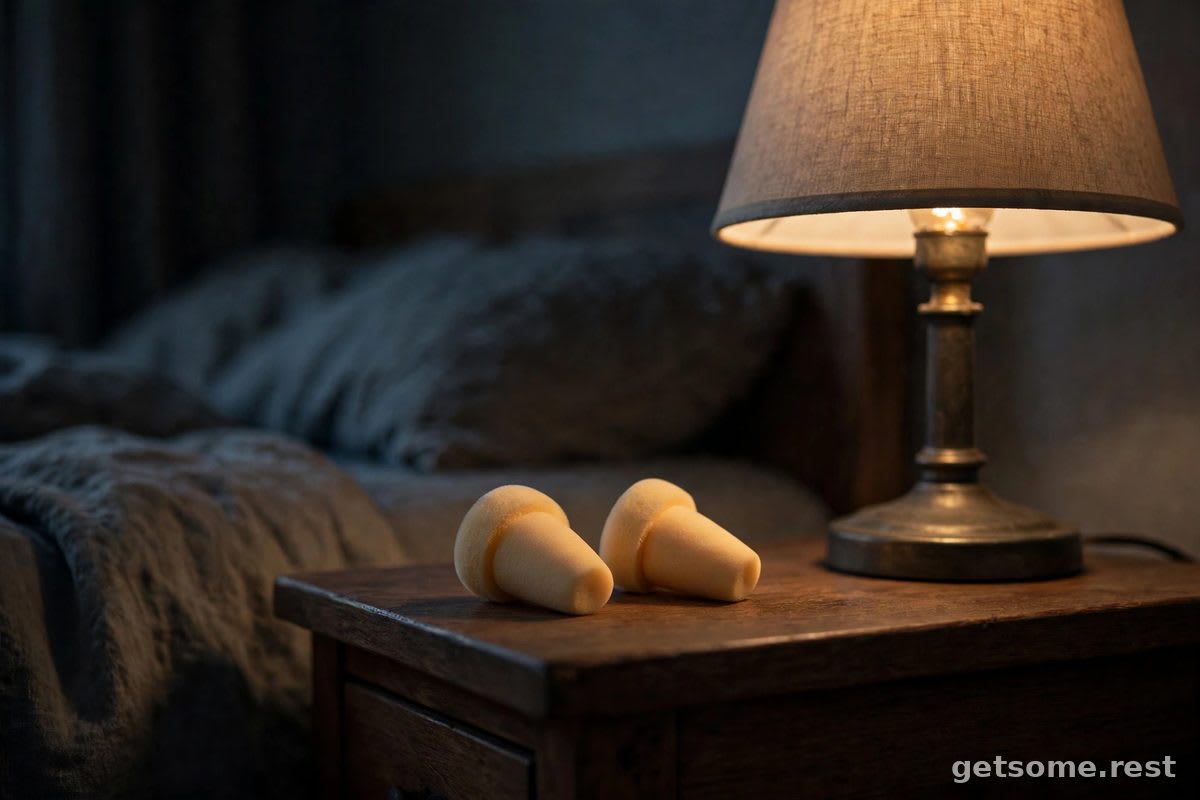
Choosing earplugs for sleeping next to a snoring partner is much easier once you know what to compare. A cheap pair that slips out at 3 a.m. is worse than no earplugs at all, because it leaves you defenseless during the loudest stretch of the night. We researched and tested the options so you can focus on the few details that really change whether you sleep through the snoring — or lie there listening to it.
Contents
Our top picks at a glance
Here is how our three favorites compare. Each name links to its full write-up further down the page.
| Product | Best for | Price | Rating |
|---|---|---|---|
| Loop Quiet 2 | All-night comfort for side sleepers | $24.95 | 4.6 out of 5 |
| Mack's Pillow Soft Silicone Earplugs | Cheapest effective seal | $9.44 | 4.3 out of 5 |
| Alpine SleepSoft | Filtered sound, hear your alarm | $24.95 | 4.4 out of 5 |
Prices last checked October 11, 2026 and may change. Ratings reflect our own testing and research.
How to choose earplugs for sleeping next to a snoring partner
In this guide, earplugs for sleeping next to a snoring partner means reusable earplugs designed to reduce the sound of a snoring partner enough that you can sleep comfortably through the night. Most buying mistakes come from skipping the same few checks, so run through the list below before you compare prices.
- Price: compare the real checkout price, including shipping, not just the list price. Loop's official price is $24.95, but the Quiet 2 is frequently discounted to around $20 — check both Loop's site and Amazon before you buy.
- Materials: look for clear details about fabrics and fill instead of vague marketing terms. For earplugs, this means the plug material (soft silicone, moldable putty, thermoplastic), whether filters are included, and whether the product is silicone-free if you have sensitivities.
- Trial period: a longer home trial makes it easier to return something that doesn’t suit you. Loop offers a 100-night sleep trial when you buy direct — unusually generous for a $25 product — while drugstore plugs rely on standard retailer returns.
- Warranty and returns: read the terms, including who pays for return shipping. Reusable plugs from Loop and Alpine carry a two-year warranty against defects, which matters when a plug is a nightly-use item.
Roughly half of all adults snore at least occasionally — and around a quarter snore habitually.
Source: National Sleep Foundation
Setting up the rest of the room
Earplugs work best as part of a layered defense. The most effective combination we have found is good earplugs plus a consistent masking sound, because the plugs lower the volume of the snoring while the masking sound fills in what is left. Our guide to the best white noise machine for light sleepers covers the machines that pair best with earplugs. Side sleepers should also check pillow height: our guide to the best pillows for side sleepers explains how a pillow that keeps your neck aligned keeps the earplug sealed against the pillow instead of pushing it out.
Price and value
The most expensive option is rarely the best fit. We look at what each product costs per year of expected use, and we note when a cheaper alternative gets you most of the way there. Mack's Pillow Soft plugs cost under $10 for six pairs and each pair lasts weeks with basic care — the per-night cost is effectively zero. Reusable plugs at $25 break even against foam disposables in about two months. For a closer look at sleep gear budgets, see our guide to the best sunrise alarm clock for heavy sleepers, and for routines that make falling back asleep easier after a snoring interruption, read our memory foam vs hybrid mattress comparison for hot sleepers.
How earplugs actually handle snoring — and their limits
To choose the right pair, it helps to know what you are up against. A quiet snore sits around 30 to 40 decibels — roughly a whisper. A loud, habitual snore reaches 50 to 70 decibels, about the volume of a conversation at the table or a running dishwasher. Severe snoring can spike to 80 decibels and above, which is closer to a vacuum cleaner running in the bedroom. The best sleep earplugs reduce sound by 22 to 28 decibels, which is why they turn most snoring from a sleep-breaking event into a background murmur — but they do not make it disappear.
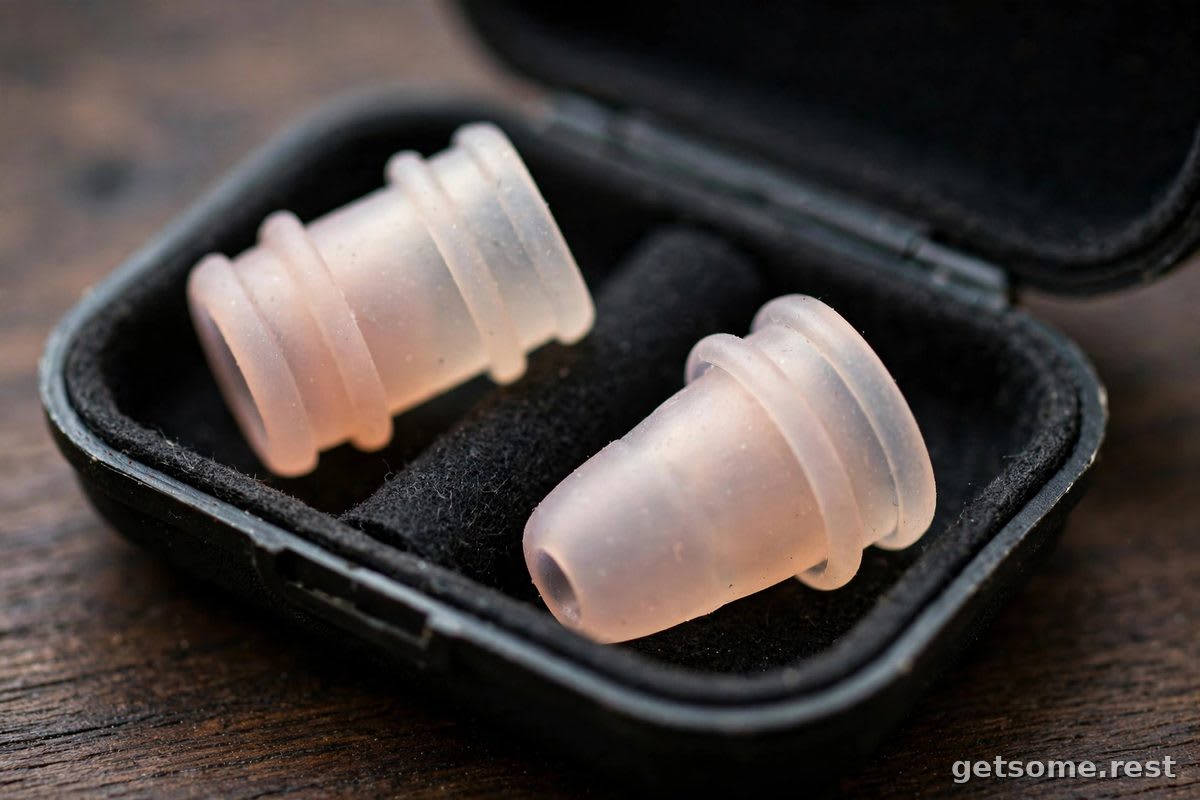
The Noise Reduction Rating (NRR) or SNR number on the box tells you the laboratory maximum, not what you will get in bed. Real-world performance depends almost entirely on the seal. A moldable putty plug with a 22-decibel rating that fully seals your ear canal will outperform a 28-decibel filtered plug that loosens when you roll onto your side. That is why our top pick, the Loop Quiet 2, ships with four tip sizes: fit is the feature. Try every included size, wear them for at least an hour on the first night, and expect the first two or three nights to feel strange. Most people stop noticing earplugs by night four.
There is one honest limit to set expectations against. Snoring is low-frequency sound — the rumble travels partly through the air and partly through bone conduction, vibrating through the mattress and pillow into your skull. No earplug blocks bone-conducted sound, which is why the heaviest snoring may still register as a faint vibration even with a perfect seal. If your partner's snoring regularly wakes you despite good earplugs, the next step is not a better plug — it is addressing the snoring itself. Loud, persistent snoring with gasping or choking can be a sign of sleep apnea, and a doctor's visit matters far more than any accessory.
On the comfort question, side sleepers have the hardest time. Anything that protrudes from the ear canal gets pushed by the pillow, and pushing is what breaks the seal and causes soreness. Low-profile designs — the Loop's flush-fitting ring, moldable putty that sits inside the canal, Alpine's short thermoplastic body — are all engineered around this problem. If you sleep on your side and your current plugs ache by morning, the shape of the plug is almost certainly the issue, not your ears.
Earplug hygiene for nightly use
Something that lives in your ear canal eight hours a night needs a cleaning routine, or it becomes a small petri dish. Reusable silicone plugs are the easiest to maintain: rinse them with warm water and mild soap after every few nights, pat them dry with a clean towel, and let them air-dry completely before they go back in the case. A damp case breeds bacteria, so the case itself deserves a wash now and then. Alpine includes a cleaning accessory with the SleepSoft for exactly this reason, and Loop's one-piece silicone design rinses clean in seconds.
Moldable putty plugs like Mack's need different handling. The putty is meant to be reused for weeks, not months: replace a pair when it stops feeling tacky, looks visibly dirty, or loses its seal. Never try to wash putty plugs aggressively — you will just embed the debris deeper. And never use putty plugs if the packaging is damaged or the pair has picked up lint and dust it will not shed; the cost of a fresh pair is pennies per night.
Watch for the warning signs that mean a night off or a doctor's visit. Itching, soreness in the morning, unusual wax buildup, a feeling of fullness in the ear, or any discharge mean you should stop using earplugs until your ears settle. People with ear tubes, recent ear surgery or recurring infections should talk to a doctor before nightly use — this is the one category of earplug question where professional advice genuinely matters. Keep your pillowcases clean too; a fresh pillowcase does more for ear health than most people expect. With basic care, reusable plugs stay safe and effective for months, which is part of what makes them such a good value.
Our picks in detail
Each pick below includes a one-line verdict, the current price, and the main pros and cons from our testing.
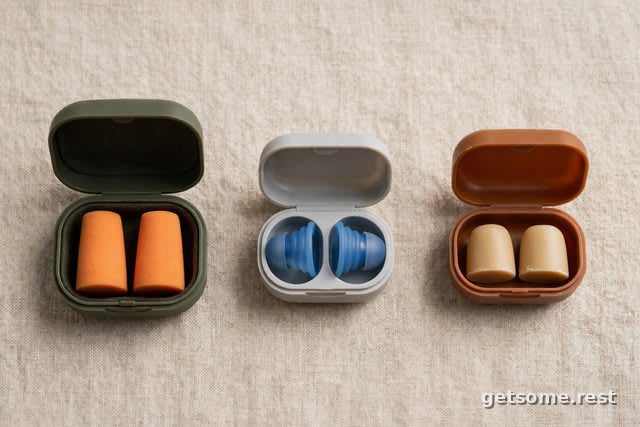 Best overall
Loop Quiet 2
The most comfortable all-night earplug we have tested, with up to 24 dB of noise reduction in a shape side sleepers can actually lie on.
$24.95 at time of writing
Pros
- Up to 24 dB SNR noise reduction in one solid piece of flexible, washable silicone
- Low-profile ring sits flush in the ear — side sleepers consistently call them the most comfortable option
- Four tip sizes (XS–L) in the box, a carry case, and a 100-night sleep trial when bought direct
Cons
- They can work loose during the night if the tip size isn't right — fitting takes trial and error
- No filter, so everything is muffled evenly, including your alarm
Best budget
Mack's Pillow Soft Silicone Earplugs
The original moldable putty plug: a custom seal for your ears at a price that makes buying in bulk effortless.
$9.44 at time of writing
Pros
- 22 dB NRR with a seal you shape yourself — fits any ear, including small or sensitive ones
- The #1 doctor-recommended brand for sleeping with a snoring partner, trusted since 1962
- Under $10 for a 6-pair value pack; each pair lasts weeks, making it the cheapest per-night option here
Cons
- Putty collects lint and earwax and must be replaced regularly — it is reusable, not permanent
- Some users find the occluded, plugged-up feeling harder to ignore than silicone plugs
Best filtered
Alpine SleepSoft
A clever filtered plug that dulls snoring while letting alarms and doorbells stay audible — ideal for light sleepers who still need to wake up.
$24.95 at time of writing
Pros
- Soft AlpineAcousticFilters cut up to 25 dB of noise while keeping alarms, doorbells and crying babies audible
- AlpineThermoShape material softens with body heat for a custom, low-profile fit that suits side sleepers
- Reusable, silicone-free and washable, with a two-year warranty and included cleaning accessories
Cons
- One-size fit with a minigrip stem — smaller ear canals may find them less secure than the Loop
- Max noise reduction is lower than the Loop Quiet 2 for very loud snorers
How we test
We never accept payment for rankings. Every product is judged against the same five checks:
- Price
- We record the real price at checkout, note regular discounts, and recheck prices when we update the guide.
- Materials
- We read the fabric, fill and build details, and note anything the brand doesn’t make clear.
- Sleep trials
- We check how long you can try the product at home and whether the trial has conditions.
- Warranty
- We compare warranty length and what it actually covers, in plain language.
- Return policy
- We look at how returns work, who pays for shipping, and how refunds are handled.
Frequently asked questions
Can earplugs actually block out snoring?
Earplugs reduce snoring significantly but rarely silence it completely. A loud snore can reach 50 to 70 decibels, and even the best sleep earplugs cut 20 to 28 decibels. That usually turns a jarring snore into a distant murmur most people can sleep through, especially combined with a white noise machine.
What NRR do I need for a snoring partner?
Look for a Noise Reduction Rating of at least 20 decibels for moderate snoring, and 24 decibels or more if your partner snores loudly. Just as important as the number is the seal: a 22-decibel plug with a perfect seal outperforms a 28-decibel plug that slips out at 3 a.m.
Are reusable earplugs better than disposable foam plugs for sleep?
For nightly use, yes. Foam plugs offer the highest raw noise reduction but dry out, get dirty and need replacing every few nights. Reusable silicone plugs like the Loop Quiet 2 or Alpine SleepSoft are washable, last for months and are far more comfortable for side sleepers.
Will I still hear my alarm with earplugs in?
Usually, yes — an alarm next to your bed is loud and close enough to come through most earplugs. Filtered plugs like the Alpine SleepSoft are specifically designed to let alarms stay audible while muffling background noise. To be safe, test any new pair on a night when you have a backup wake-up plan.
Is it safe to wear earplugs every night?
For most people, yes, as long as you keep them clean. Wash reusable plugs regularly, let your ears air out during the day, and stop using them if you notice pain, itching or unusual wax buildup. If you have ear tubes, recent ear surgery or recurring ear infections, ask your doctor before nightly use.
Key takeaways
- Our top pick for most people is the Loop Quiet 2; Mack's Pillow Soft Silicone Earplugs are the better choice on a tighter budget.
- Compare real checkout prices, materials, trial length, warranty and return terms before you buy.
- Fit matters more than the decibel number — a perfectly sealed 22 dB plug beats a loose 28 dB one.
- Rankings on GetSome Rest are never for sale, and we update our guides weekly.