Best Sleep Schedule for Night Shift Workers
A complete sleep schedule for night shift workers: fixed daytime hours, smart light timing, a blackout bedroom, and how to survive days off without wrecking it.
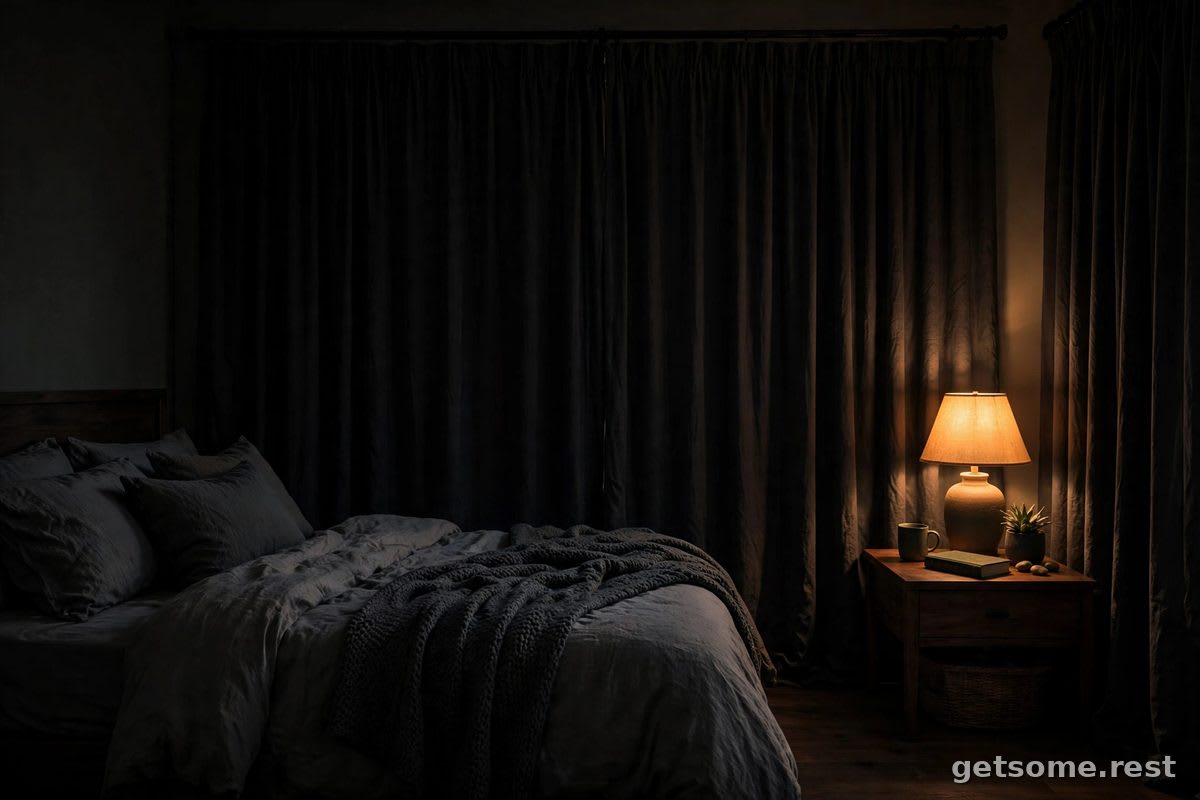
Sleeping while the sun is up goes against every signal your body receives — light leaking through the curtains, traffic outside, the household starting its day. But night shift workers do it every day, and the ones who sleep well share one thing: a schedule they protect like a second job. This guide gives you that schedule, plus the light timing and bedroom setup that make daytime sleep actually work.
Contents
Our top picks at a glance
Here is how our three favorites compare. Each name links to its full write-up further down the page.
| Product | Best for | Price | Rating |
|---|---|---|---|
| NICETOWN Blackout Curtains | Turning day into night | $26 | 4.5 out of 5 |
| Manta Sleep Mask | Darkness without hardware | $39 | 4.7 out of 5 |
| Philips SmartSleep Wake-up Light HF3520 | Consistent wake times | $108.99 | 4.3 out of 5 |
Prices last checked October 11, 2026 and may change. Ratings reflect our own testing and research.
How to build the schedule
In this guide, a night shift sleep schedule means a fixed daytime sleep routine built on blackout darkness, timed light exposure, and consistent wake times. Most broken day-sleep comes from skipping the same few checks — run through the list below before you buy anything.
- Anchor sleep: keep the same bed and wake times every day, days off included. A drifting schedule is the fastest way to wreck day sleep.
- Light timing: bright light during your shift, darkness afterward. Light is the main lever telling your body when "day" is.
- Blackout bedroom: curtains, door seals, and a sleep mask. Even small light leaks fragment daytime sleep.
- Caffeine cutoff: stop caffeine at least 6 hours before your planned sleep time, so it clears your system before bed.
69.7% of night shift transportation and warehousing workers average six hours or less of sleep per day.
Source: NIOSH analysis of the 2010 National Health Interview Survey, via Occupational Health & Safety
Setting up the rest of the room
Day sleep lives or dies on darkness. If you are choosing curtains, our guide to the best blackout curtains for shift workers compares the options that actually block daylight rather than merely dimming it. For daytime household noise — deliveries, neighbors, kids home from school — our roundup of the best white noise machines for light sleepers covers steady background sound that masks sudden interruptions.
Price and value
You do not need expensive gear to fix day sleep: blackout curtains start around $26 a pair and a quality sleep mask costs less than a takeout dinner. For wake-ups that do not jolt you out of day sleep, see our guide to the best sunrise alarm clocks for heavy sleepers, and if you run hot, our comparison of the best cooling mattress toppers for night sweats.

The core schedule: your night shift day
Here is a solid template for a classic 11 p.m. to 7 a.m. shift — adjust the times to your hours; the structure matters more than the clock.
7:00–7:30 a.m. — come home and power down. Sunglasses on before you leave the building, even on cloudy mornings — that light is the biggest schedule-killer. Keep the commute calm, skip bright errands, and have a light snack at home.
8:00 a.m. — lights out. Your anchor sleep: a full block until about 4 p.m. Phone on silent, door closed, household briefed. Treat this window like a shift — it is your second job.
4:00 p.m. — wake and get bright. Same time daily, then bright light fast: open curtains, step outside, lights on. Move a little — a walk or stretching — to tell your body its "morning" has started.
5:30–6:00 p.m. — main meal. Your biggest meal now, during your "daytime" — steady energy through the shift, no waking hungry later.
10:00 p.m. — head in bright. Arrive a little early and spend the first half of your shift in the brightest environment available.
The non-negotiable is the wake time. Bedtimes drift; wake times anchor. Protect 4 p.m. and the rest organizes itself.
Using light to anchor your schedule
Light is the strongest cue your internal clock receives — stronger than meals, stronger than activity. Night shift sleep fails most often because workers get the light backwards: dim all night at work, then a face full of sunrise on the drive home. Flip that pattern and the schedule gets dramatically easier to hold.
During your shift: seek bright light. Work under the brightest lights available, especially in the first half of the night. If your workspace is dim, take breaks somewhere bright. Daylight on your commute to work (in winter months, when you travel in darkness, this matters less) also helps. You are telling your body: this is daytime, stay alert now.
After your shift: become a vampire. Sunglasses go on before you step outside — wraparound styles block more. Keep car windows up if the sun is glaring, skip the bright grocery run, and keep your home dim when you arrive. Every minute of bright morning light is a signal to your brain that the day is starting, which is exactly what you do not want at 7:30 a.m.
At home: dim until bed. Low lamps, no overheads, screens dimmed or off. You are extending the "night" your body thinks it is in. Then, when you wake at 4 p.m., reverse it completely: bright light everywhere, as fast as possible. That sharp contrast — dark after shift, bright at wake — is what teaches your body the new pattern.
Consistency beats intensity here. A moderate light routine you follow every single day outperforms a perfect one you follow twice a week. Your internal clock adjusts slowly, over days, not hours.
Building a blackout bedroom
Daylight is the enemy of day sleep. Even small amounts of light through curtain gaps tell your brain it is morning, fragmenting sleep into shallow, unsatisfying pieces. Building a truly dark bedroom is the highest-impact project in this entire guide.
Start with the windows. Blackout curtains are the foundation. Mount the rod wider and higher than the window frame so the fabric overlaps the wall on all sides — light leaks at the edges defeat the whole purpose. Use two overlapping panels in the middle rather than one stretched panel. We compare the options that genuinely block daylight in our guide to the best blackout curtains for shift workers.
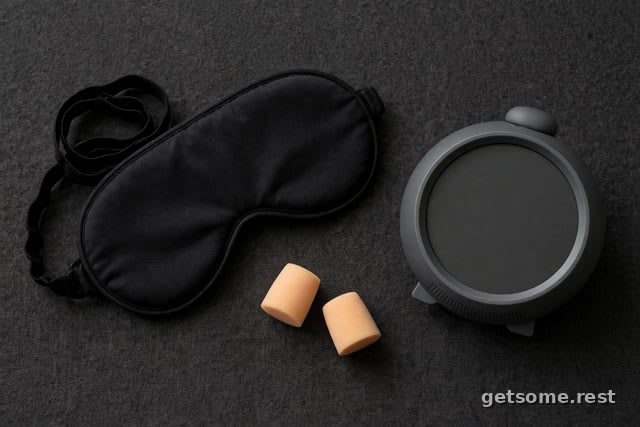
Seal the small leaks. The gap under the door gets a draft stopper. LEDs on chargers, power strips, and smoke detectors get a dot of electrical tape. If your curtains are good but not perfect, a contoured sleep mask like the Manta covers the last few percent — and it travels with you for naps elsewhere.
Cool and quiet complete the job. Daytime bedrooms run warm; a fan or air conditioning keeps the room in the cool range your body prefers for sleep. For noise, soft earplugs handle snoring partners and traffic, while a white noise machine smooths over unpredictable sounds like deliveries and lawn mowers. Darkness gets you to sleep; cool and quiet keep you there.
Renters take note: tension rods, removable hooks, and a good sleep mask achieve 90% of the result with zero damage to the walls. Landlords rarely object to any of it.
Food, caffeine, and movement
Your digestive system also runs on a schedule, and feeding it at the wrong times is a common reason night workers wake up mid-sleep feeling unwell. A few adjustments make the nights — and the days — noticeably smoother.
Eat on your new day, not the clock on the wall. Have your main meal after waking (your "morning"), a moderate meal mid-shift, and only a light snack after your shift before bed. A heavy meal right before day sleep often leads to discomfort and restless, broken sleep. Keep the pre-sleep snack simple: something light you actually enjoy, eaten calmly, not standing in the kitchen at full alertness.
Use caffeine strategically. Caffeine is a legitimate tool for night work — the mistake is timing. Have it early in your shift when alertness matters most, then cut it off at least 6 hours before your planned sleep time (around 2 a.m. for an 8 a.m. bedtime). Late-shift coffee is the most common self-inflicted cause of "I can't fall asleep after nights."
Skip alcohol as a sleep aid. A drink after shift might make you feel drowsy, but it fragments sleep and you wake up less restored. It is one of the worst trades in the night worker's toolkit.
Move after waking, not before sleeping. Light to moderate exercise after your 4 p.m. wake-up — a walk, a gym session, bodyweight work — boosts alertness for the evening ahead. Save the intense workouts for well before bed; vigorous exercise right before day sleep leaves most people wired when they need to wind down.
Our picks in detail
Each pick below includes a one-line verdict, the current price, and the main pros and cons from our testing.
 Best overall
NICETOWN Blackout Curtains
Thick triple-weave panels that block up to 99% of daylight for about $26 a pair — the single highest-impact purchase for daytime sleep.
$26 at time of writing
Pros
- Triple-weave fabric blocks nearly all daylight
- Thermal backing keeps the room cooler
- Machine washable and widely sized
Cons
- Sold per panel — measure windows carefully
- Dark colors show dust and lint
Best for renters
Manta Sleep Mask
When you cannot change the curtains — rentals, shared rooms, daytime naps elsewhere — the Manta's domed cups deliver total darkness without touching your eyes.
$39 at time of writing
Pros
- 100% blackout seal, no light leaks
- Zero pressure on eyes or eyelashes
- Cups adjust to fit different faces
Cons
- Hand-wash only
- Costs more than basic flat masks
Best for wake-ups
Philips SmartSleep Wake-up Light HF3520
Waking at 4 p.m. into a dark room feels wrong; a sunrise-simulating alarm makes the wake-up gradual and protects the consistent schedule your body needs.
$108.99 at time of writing
Pros
- 30-minute colored sunrise simulation
- Sunset mode for winding down
- Five natural wake-up sounds
Cons
- Premium price for an alarm clock
- Takes up nightstand space
How we test
We never accept payment for rankings. Every product is judged against the same five checks:
- Price
- We record the real price at checkout, note regular discounts, and recheck prices when we update the guide.
- Materials
- We read the fabric, fill and build details, and note anything the brand doesn’t make clear.
- Sleep trials
- We check how long you can try the product at home and whether the trial has conditions.
- Warranty
- We compare warranty length and what it actually covers, in plain language.
- Return policy
- We look at how returns work, who pays for shipping, and how refunds are handled.
Frequently asked questions
How many hours of sleep do I need after a night shift?
Aim for the same 7 to 9 hours day workers get — your body does not need less sleep just because the sun is up. Most night workers fall short, which is why protecting a full, uninterrupted window matters more than any gadget. If you consistently get under 6 hours, audit your schedule for leaks: light, noise, and an inconsistent wake time are the usual culprits.
Should I go straight to bed after my shift ends?
For most night workers, yes. Delaying sleep lets daylight and activity push your alertness back up, making it harder to fall asleep later. Keep the post-shift routine short — sunglasses on the commute, a light snack, dim lights — and aim to be in bed within an hour of getting home.
Do blackout curtains really help with daytime sleep?
Yes. Daylight is the strongest signal telling your brain to stay awake, and even small leaks around curtain edges fragment day sleep. Proper blackout curtains, mounted wide with overlapping panels, can make a sunny bedroom feel like midnight. Pair them with a sleep mask for total coverage, and see our guide to the best blackout curtains for shift workers for specific picks.
Is it okay to split my sleep into two shorter blocks?
Split sleep can work when one unbroken block is impossible. Keep one main anchor block of at least 4 to 5 hours, then add a pre-shift nap of 90 minutes or less. What does not work well is many short naps scattered through the day — fragmented sleep rarely feels restorative.
How do I keep my schedule from collapsing on days off?
If you return to nights within a day or two, stay on your night schedule — flipping back and forth is the hardest pattern to sustain. If you have a longer stretch off and want daytime hours, shift your sleep by 1 to 2 hours per day rather than all at once, and keep your wake time consistent above all.
Key takeaways
- Our top pick for most people is NICETOWN Blackout Curtains; Manta Sleep Mask is the better choice when you cannot change the curtains.
- Compare real checkout prices, materials, trial length, warranty and return terms before you buy.
- Bright light during your shift and true darkness at home are the two levers that hold a night shift schedule together.
- Rankings on GetSome Rest are never for sale, and we update our guides weekly.