How Long Should a Power Nap Be? 20 vs 90 Minutes
20 minutes or 90? What each nap length does to your sleep stages, alertness, and grogginess — plus the exact timing that keeps naps refreshing, not ruinous.

The nap is the most misunderstood tool in the sleep toolkit. Done right, twenty minutes can rescue an afternoon; done wrong, an hour on the couch leaves you groggier than before you lay down. The difference is not luck — it is timing. Your brain moves through sleep in roughly 90-minute cycles, and how you feel on waking depends on where in the cycle the alarm catches you. This guide breaks down the two nap lengths that work with your biology instead of against it.
Contents
Our top picks at a glance
Here is how our three favorites compare. Each name links to its full write-up further down the page.
| Product | Best for | Price | Rating |
|---|---|---|---|
| Manta Sleep Mask | Darkness anywhere | $39 | 4.7 out of 5 |
| TRTL Pillow Plus | Upright naps | $59.99 | 4.5 out of 5 |
| Mack's Pillow Soft Silicone Earplugs | Cheap daytime quiet | $7 | 4.3 out of 5 |
Prices last checked October 11, 2026 and may change. Ratings reflect our own testing and research.
How to pick your nap length
In this guide, power nap lengths means the two nap durations that work with your sleep cycles — about 20 minutes for a refresh, or 90 minutes for a full cycle. Most groggy naps come from skipping the same few checks, so run through the list below before you close your eyes.
- Your goal: refresh or recovery? Choose 20 minutes for an alertness boost, 90 minutes when you are genuinely sleep-deprived. Decide before you lie down.
- Timing: early afternoon, roughly 1–3 p.m., when alertness naturally dips. Late naps push bedtime later.
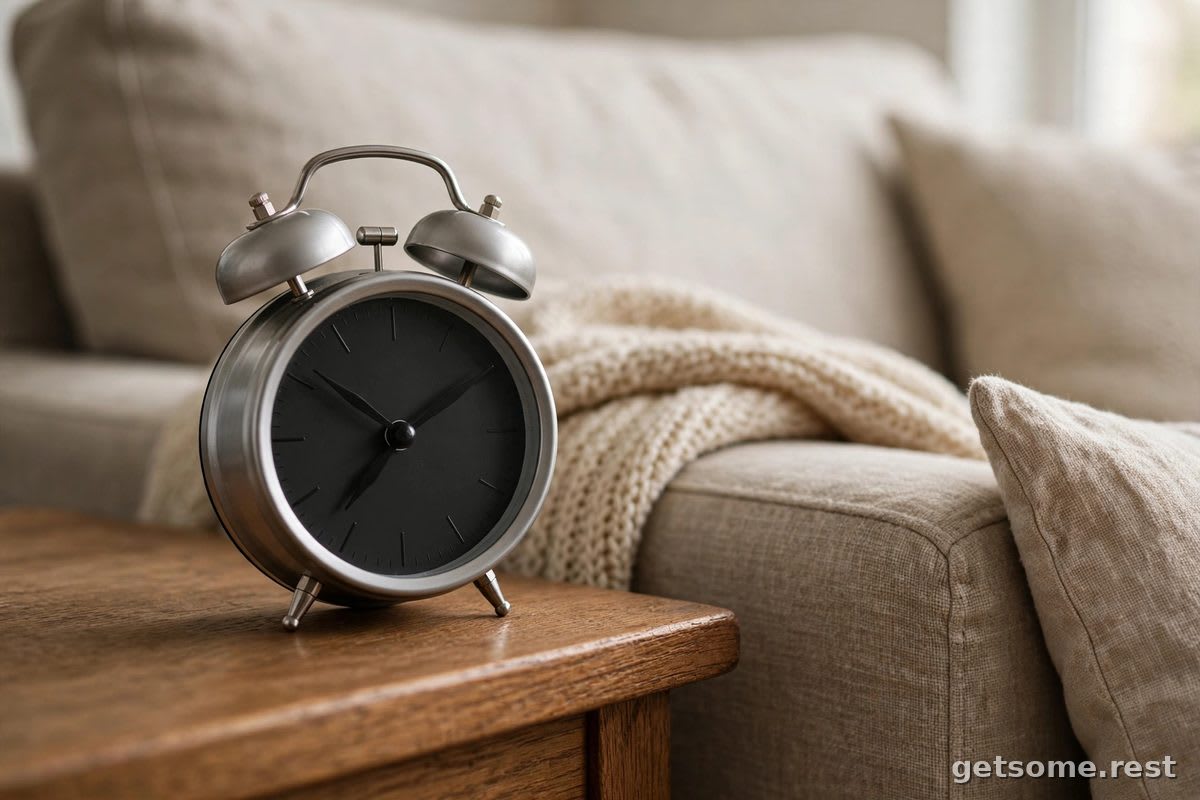
- The alarm: set it for 25 minutes to get about 20 minutes of sleep; for a full cycle, set 100–105 minutes to allow time to doze off.
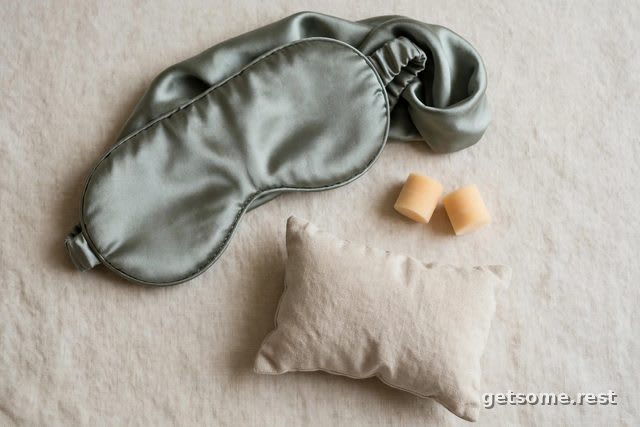
- The environment: dark, quiet, cool. A sleep mask and earplugs turn any couch into a proper nap spot.
Sleep experts advise napping for around 20 minutes to increase alertness while avoiding deep sleep — or taking a full 90 minutes to complete one entire sleep cycle.
Source: Sleep Foundation
Setting up the rest of the room
Naps fail most often on environment, not duration. If daytime noise breaks your rest, our guide to the best white noise machines for light sleepers covers steady sound that masks interruptions. If you nap on the couch, our guide to the best pillows for side sleepers helps you pick support that does not leave you stiff.
Price and value
Napping is nearly free — the gear just removes friction. A few dollars of earplugs and a decent mask cover most situations; a travel pillow earns its keep if you nap upright. For waking up on time, see our roundup of the best sunrise alarm clocks for heavy sleepers, and for cooler rest, our comparison of the best cooling mattress toppers for night sweats.
What happens in your brain during a nap
Sleep is not one uniform state — it is a sequence of stages your brain cycles through roughly every 90 minutes. Understanding the sequence explains why nap length matters so much.
Light sleep (stages 1–2): the first 20 minutes or so. Your muscles relax, your heart rate slows, and your brain starts producing the slow waves of early sleep. You are easy to wake, and waking here feels fine — sometimes you are not even sure you were asleep. This is where the 20-minute nap lives.
Deep sleep (stage 3): from about 30 minutes onward. Brain waves slow dramatically, and waking becomes difficult. This stage is deeply restorative, but being yanked out of it mid-stream causes sleep inertia — the heavy, disoriented grogginess that can linger for 30 minutes. This is the danger zone for naps.
REM sleep: usually reached near the end of the 90-minute cycle. The brain becomes highly active while the body stays still; most vivid dreaming happens here. REM is linked to memory consolidation and creative problem-solving. A 90-minute nap that reaches REM and ends as the cycle completes lets you wake during light sleep again — refreshed instead of wrecked.
The rule is simple: wake from light sleep and you feel great; wake from deep sleep and you feel terrible. The 20-minute nap never reaches deep sleep, the 90-minute nap comes out the other side, and everything in between is a gamble.
The 20-minute nap: the classic power nap
The 20-minute nap is the default recommendation for a reason: it delivers the best alertness return per minute invested, with almost no risk of grogginess. You stay in light sleep the entire time, so the alarm wakes you cleanly.
When to choose it: the afternoon dip at work, before a long drive, when you need to be sharp again in under an hour. It is a refresh, not recovery — it will not repay a serious sleep debt, but it reliably sharpens focus, reaction time, and mood for the next few hours.
How to take it: lie down or recline somewhere dim and quiet around 1–3 p.m. Set your alarm for 25 minutes — most people need about 5 minutes to drift off, which leaves roughly 20 minutes of actual sleep. Do not stress if you do not fully fall asleep; even quiet rest with your eyes closed in a dark room restores some alertness. When the alarm goes off, get up immediately and get into bright light or wash your face — lingering in bed invites a second, unplanned cycle.
The coffee-nap trick: drink a small coffee right before lying down. Caffeine takes about 20 minutes to kick in, arriving just as your alarm goes off. Skip it if you are caffeine-sensitive or napping late in the day.
Twenty minutes is also the easiest nap to make a habit. It fits into a lunch break, needs no special setup beyond a mask and an alarm, and never threatens your nighttime sleep when taken early in the afternoon.
The 90-minute nap: one full cycle
When 20 minutes is not enough — after a short night, before a night shift, or during a genuinely exhausting week — the 90-minute nap is the next safe harbor. It is one complete sleep cycle: light sleep, deep sleep, REM, and back to light sleep, where the alarm catches you.
When to choose it: real sleep debt, not just an afternoon lull. Shift workers napping before a night shift, new parents grabbing rest while the baby sleeps, anyone making up for a short night. The 90-minute nap delivers benefits closer to actual night sleep: better memory consolidation, more creativity, and deeper physical recovery.
How to take it: treat it like a short night, not a long nap. Dark room (or a good sleep mask), quiet, cool, comfortable — the works. Set the alarm for 100–105 minutes to allow 10–15 minutes to fall asleep. Expect to feel briefly foggy for the first few minutes after waking; that is normal even with perfect timing and it clears quickly, especially with light and movement.
The tradeoff is time and nighttime sleep: ninety minutes is a real midday commitment, and taken too late it pushes bedtime back. Reserve full-cycle naps for days you genuinely need them.
One warning: do not "compromise" at 45 or 60 minutes. That lands the alarm squarely in deep sleep — the worst possible wake-up point. If you cannot commit to 90, drop back to 20. The middle ground is where naps go to die.
Timing naps so they don't wreck the night
A nap is a withdrawal from your nighttime sleep pressure — the drowsiness that builds all day and makes bedtime easy. Small, early withdrawals are harmless. Big, late ones bounce the check.
Nap early. The 1–3 p.m. window is ideal: it matches your natural afternoon dip, so you fall asleep faster, and it leaves plenty of day for sleep pressure to rebuild before bed. As a rule of thumb, finish any nap at least 6–7 hours before your bedtime.
Keep it consistent. A daily 20-minute nap at the same time becomes part of your rhythm — your body starts anticipating it, you fall asleep faster, and your nights stay stable. Random, occasional marathon naps are the ones that disrupt the night.
Watch the warning signs. If bedtime starts drifting later, or you lie awake where you used to fall asleep easily, your naps are probably too long or too late. Shorten to 20 minutes and move earlier before blaming anything else. Most "naps ruin my sleep" stories turn out to be "4 p.m. hour-long naps ruin my sleep" stories.
Special cases get special rules. Shift workers, the genuinely sleep-deprived, and anyone ill can nap longer and later — total rest matters more than perfect bedtime.
Our picks in detail
Each pick below includes a one-line verdict, the current price, and the main pros and cons from our testing.
 Best overall
Manta Sleep Mask
Daylight is the enemy of the daytime nap; the Manta's domed cups create total darkness anywhere — couch, office, or car — without pressing on your eyes.
$39 at time of writing
Pros
- True blackout seal in any lighting
- Zero pressure on eyes or eyelashes
- Adjustable cups fit different faces
Cons
- Hand-wash only
- Pricier than basic flat masks
Best for upright naps
TRTL Pillow Plus
A scarf-style wrap with an internal support frame that holds your head upright — desk and couch naps without the stiff-neck penalty.
$59.99 at time of writing
Pros
- Height-adjustable neck support
- Compact, lightweight, packs flat
- Machine washable fleece cover
Cons
- Takes practice to position well
- Can feel warm in hot rooms
Budget pick
Mack's Pillow Soft Silicone Earplugs
Moldable silicone that seals out daytime noise for pennies a nap — the cheapest way to protect your rest from the household.
$7 at time of writing
Pros
- Molds to any ear for a custom seal
- 22 dB noise reduction rating
- Each pair lasts several naps
Cons
- Not a buy-once product
- Can feel warm in hot rooms
How we test
We never accept payment for rankings. Every product is judged against the same five checks:
- Price
- We record the real price at checkout, note regular discounts, and recheck prices when we update the guide.
- Materials
- We read the fabric, fill and build details, and note anything the brand doesn’t make clear.
- Sleep trials
- We check how long you can try the product at home and whether the trial has conditions.
- Warranty
- We compare warranty length and what it actually covers, in plain language.
- Return policy
- We look at how returns work, who pays for shipping, and how refunds are handled.
Frequently asked questions
Is a 20-minute nap really better than a 30-minute nap?
Usually, yes. Around the 30-minute mark most people begin entering deep sleep, and waking from deep sleep causes sleep inertia — that heavy, disoriented grogginess. A 20-minute nap stays in light sleep, so you wake up clear-headed. If you want longer than 20 minutes, skip 30 entirely and go for a full 90-minute cycle instead.
Will a 90-minute nap leave me groggy?
Generally no, as long as you complete the full cycle. A 90-minute nap moves through light sleep, deep sleep, and REM, and you wake during a lighter stage — similar to waking naturally in the morning. You may feel briefly foggy for a few minutes, but it clears fast. Set your alarm for about 100 to 105 minutes to allow time to fall asleep.
What time of day is best for napping?
Early afternoon, roughly between 1 p.m. and 3 p.m., when alertness naturally dips. This window lines up with your body's built-in afternoon lull, so you fall asleep faster and the nap feels more restorative. Napping late in the day — after about 4 p.m. — can steal sleep pressure from the coming night and push bedtime later.
Can I nap every day without harming my nighttime sleep?
Yes, if you keep naps short and early. A daily 20-minute nap in the early afternoon rarely interferes with nighttime sleep and can become a reliable part of your routine. Longer daily naps are also fine if your nights stay solid. If you notice bedtime drifting later, shorten the nap or move it earlier before assuming naps are the problem.
Why do I feel worse after a long nap than before it?
You almost certainly woke up from deep sleep. After about 30 minutes of sleep your brain descends into slow-wave deep sleep, and an alarm that drags you out of it triggers sleep inertia — grogginess, disorientation, and low mood that can linger for half an hour. The fix is timing: keep naps to about 20 minutes or extend them to a full 90-minute cycle.
Key takeaways
- Our top pick for most people is Manta Sleep Mask; Mack's Pillow Soft Silicone Earplugs is the better choice on a tighter budget.
- Compare real checkout prices, materials, trial length, warranty and return terms before you buy.
- Set an alarm every time — the difference between a great nap and a groggy one is usually ten extra minutes.
- Rankings on GetSome Rest are never for sale, and we update our guides weekly.