RingConn Gen 2 vs Ultrahuman Ring Air: No-Subscription Smart Rings for Sleep
RingConn Gen 2 ($299) vs Ultrahuman Ring Air ($349): sleep tracking, battery, comfort, and app quality compared — both with zero subscription fees.
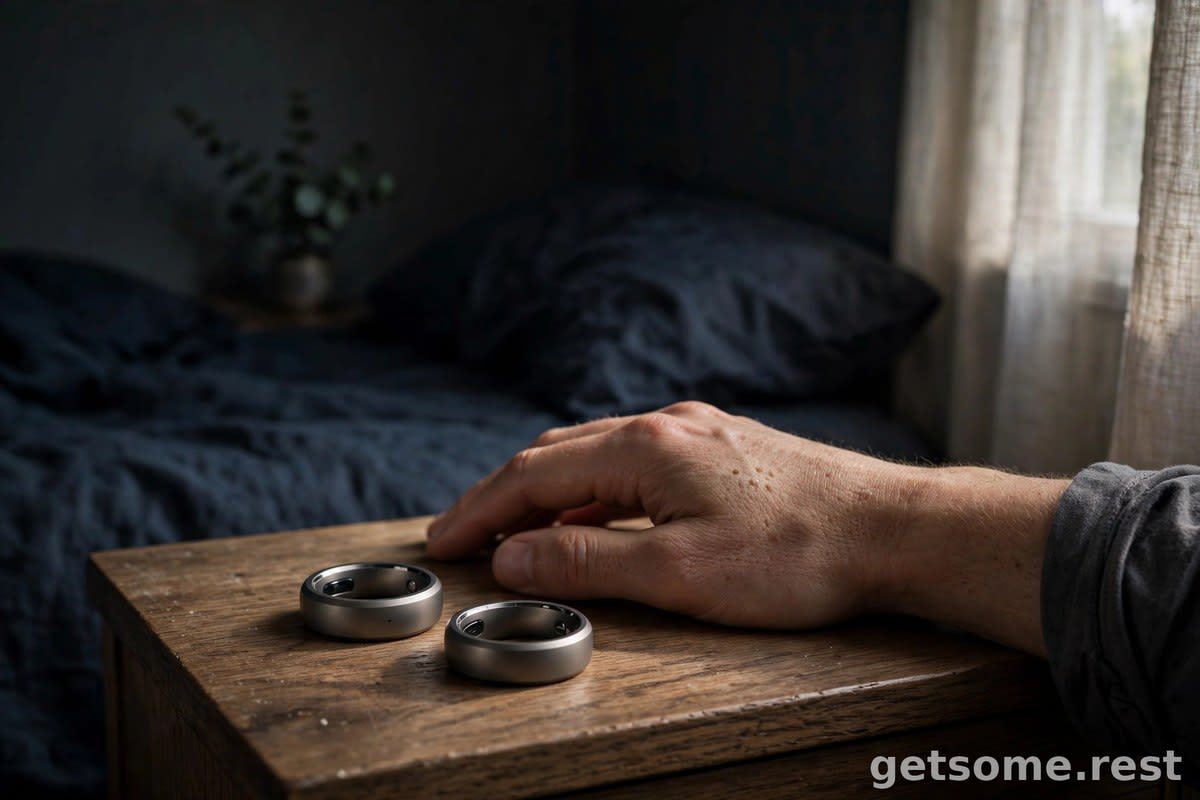
Smart rings are the best sleep-tracking form factor nobody has to get used to: no screen, no bulk, nothing digging into your wrist at 3 a.m. The catch used to be Oura's $5.99/month membership. The RingConn Gen 2 ($299) and the Ultrahuman Ring Air ($349) both killed that catch — every feature, free, forever. We compared their sleep tracking, battery life, comfort, sizing, and apps to see which no-subscription ring deserves your finger.
Contents
At a glance: RingConn Gen 2 vs Ultrahuman Ring Air
The smart ring market split into two camps: Oura's excellent-but-subscription hardware, and the subscription-free challengers. The RingConn Gen 2 ($299) is the value challenger — thinner, lighter, cheaper, and with up to 12 days of battery plus a charging case that stretches total use to around 150 days. The Ultrahuman Ring Air ($349) is the polish challenger — a more refined app, deeper recovery and circadian insights, and an ecosystem you can expand. Neither asks for a monthly fee. Here is the short version.
| Fact | RingConn Gen 2 | Ultrahuman Ring Air |
|---|---|---|
| Price | $299 | $349 |
| Subscription | None — ever | None — ever |
| Battery life | Up to 12 days; charging case for ~150 days total | 4–6 days |
| Thickness / weight | ~2mm / 2–3g | 2.4mm / 2.4–3.6g |
| Sizes | US 6–14 | US 5–14 |
| Standout strength | Battery life and value | App polish and recovery insights |
| Best for | Sleep trackers who hate charging | Data lovers who live in the app |
Prices are manufacturer list prices checked October 2026. Both rings discount occasionally — the Ring Air in particular sees sale pricing — so check live listings.
What matters in a sleep-tracking smart ring
A smart ring has one job at night: stay on your finger, stay charged, and quietly record. Rings beat wrist trackers on comfort by a wide margin — there is no screen pressing into the mattress when you roll over — which makes them the easiest tracker to wear every single night. Consistency is the whole game in sleep tracking; a ring you forget you are wearing wins by default.
Here is what to weigh between these two:
- Battery life measured in nights, not days. A ring that needs charging every 4–6 days creates a weekly chore and a weekly gap in your data. A 12-day ring gets charged roughly twice a month. Fewer gaps means better trend data.
- Thickness and weight you sleep with. Both rings are light, but fingers are sensitive — 2mm vs 2.4mm is noticeable over eight hours. If you have slim fingers, the thinner ring matters more.
- Sizing before you buy. Both brands sell sizing kits, and both recommend wearing the sizer for a day or two — fingers swell overnight and in heat. A ring that is snug at noon can be tight at 3 a.m., and a loose ring gives the optical sensors a worse signal.
- What the app does with your data. Both track sleep stages, heart rate, HRV, SpO2, and skin temperature. The difference is interpretation: Ultrahuman leans into readiness scores and circadian insights; RingConn keeps it simpler. Decide how much coaching you actually want.
- Ecosystem vs independence. Ultrahuman is building a health platform — the ring can pair with its other products down the line. RingConn is a focused, standalone device. Neither locks you in, but only one offers a path outward.
The best sleep tracker is the one that never interrupts your sleep — to charge, to adjust, or to remind you it exists.
Source: our wearables-for-sleep checklist
Battery: the spec that decides everything
Battery life is the single biggest practical difference here, and it is not close: up to 12 days for the RingConn Gen 2 versus 4–6 for the Ultrahuman Ring Air. A ring with a dead battery is jewelry, and charging is the number-one reason people stop wearing trackers. RingConn's included charging case — good for around 150 days of total use away from an outlet — makes it a genuinely travel-friendly device. If you travel, camp, or simply resent another charging cable, battery alone can decide this comparison. For more subscription-free options beyond rings, our best sleep tracker without a subscription roundup covers wrist, bedside, and under-mattress alternatives.
App quality and what “insights” actually means
Both apps show you sleep stages, nightly scores, heart rate trends, and recovery metrics. Ultrahuman's app is the more polished experience — cleaner design, a well-regarded readiness score, circadian rhythm tracking, and features like on-demand heart rhythm checks in supported markets. RingConn's app covers the same fundamentals and adds extras like stress tracking and sleep-apnea trend monitoring, but the presentation is simpler and reviewers consistently rank it a half-step behind. If you check your data every morning and enjoy digging into trends, Ultrahuman's $50 premium buys a meaningfully nicer daily ritual. If you glance at your sleep score and move on, save the money. Either way, the data both rings produce can feed the kind of AI sleep apps that turn raw numbers into bedtime guidance.
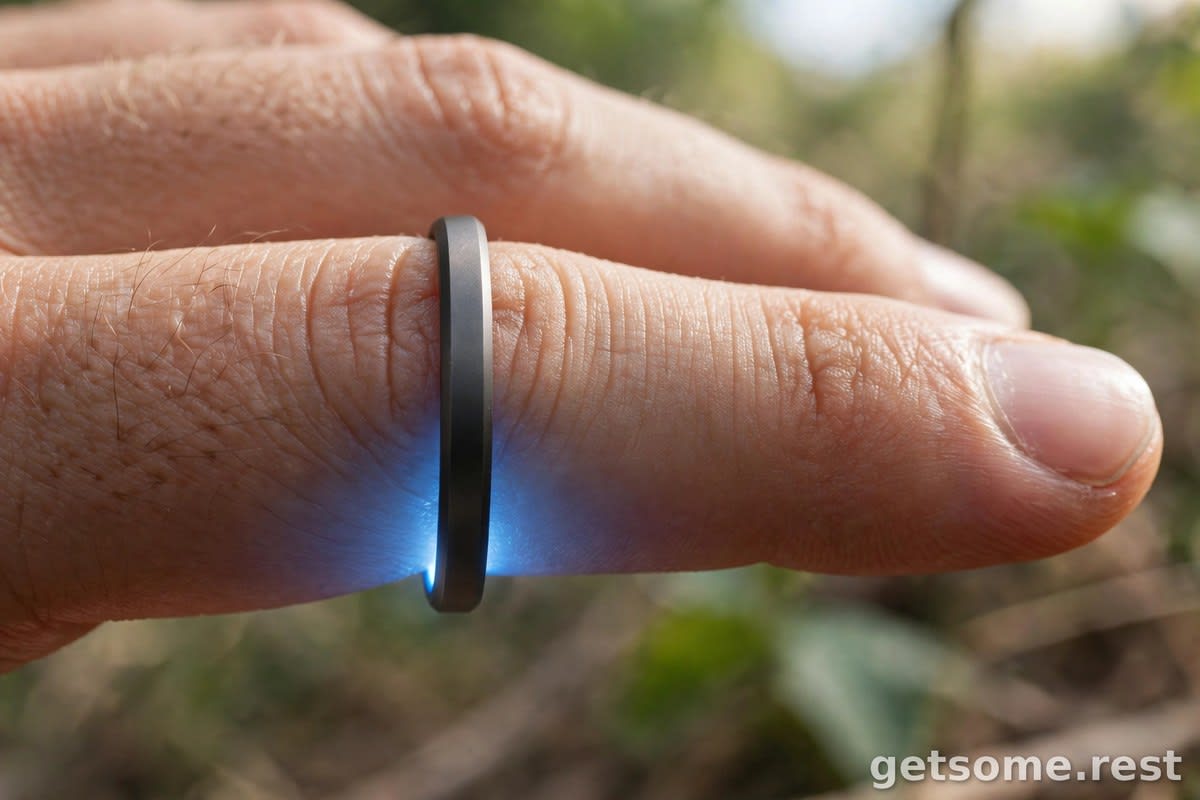
RingConn Gen 2 vs Ultrahuman Ring Air specs, side by side
Two titanium rings, two philosophies. RingConn optimizes for the hardware — thinner, lighter, longer-lasting. Ultrahuman optimizes for the software — the app, the insights, the ecosystem. The full spec comparison:
| Feature | RingConn Gen 2 | Ultrahuman Ring Air |
|---|---|---|
| Price | $299 | $349 |
| Subscription | None | None |
| Battery life | Up to 12 days; charging case extends total use to ~150 days | 4–6 days |
| Thickness | ~2mm | 2.4mm |
| Weight | 2–3g (by size) | 2.4–3.6g (by size) |
| Material | Titanium alloy build | Titanium |
| Sizes | US 6–14 | US 5–14 |
| Water resistance | 100m / IP68 | 100m / 10ATM |
| Sensors | Heart rate, SpO2, HRV, skin temperature, accelerometer; sleep-apnea trend monitoring | Heart rate, SpO2, HRV, skin temperature, accelerometer; on-demand heart rhythm check (select markets) |
| Sleep features | Sleep stages, sleep score, recovery, stress, activity | Sleep Index, readiness/recovery score, circadian tracking |
| Compatibility | iOS & Android | iOS & Android |
| Best for | Maximum battery and value, no subscription | App polish and deeper recovery insights, no subscription |
Specs from manufacturer pages, checked October 2026. Battery figures are manufacturer ratings — heavy workout tracking and frequent syncing trim real-world numbers on both rings.
Our verdict: who should buy which ring
Buy the RingConn Gen 2 if you want the best no-subscription smart ring for most people. It is $50 cheaper, up to three times the battery life, thinner, lighter — and it charges nothing monthly. The sleep tracking covers everything that matters (stages, heart rate, HRV, SpO2, temperature, recovery), the charging case makes it a travel champ, and the total cost of ownership is exactly $299. The app is simpler than Ultrahuman's, but if your morning routine is “check sleep score, move on,” you will never feel the difference.
Buy the Ultrahuman Ring Air if the app is the product for you. Ultrahuman's software is genuinely the more refined experience — better readiness scoring, circadian insights, a cleaner daily ritual, and an ecosystem you can grow into. The $349 price is still subscription-free, so the premium is a one-time $50 for nicer software and deeper recovery analysis. Just accept the tradeoff: 4–6 days of battery means charging every few days, forever, and the ring is a touch thicker on the finger.
RingConn Gen 2 and Ultrahuman Ring Air in detail
Two rings, two strengths. Prices below are manufacturer list prices at the time of writing — both see occasional discounts, so check the live listing. Links are plain — no affiliate tags attached yet.
Best value, no subscriptionRingConn Gen 2
The battery-life king: up to 12 days per charge, the thinnest ring here, and $299 with zero subscription.
$299 at time of writing
Pros
- Up to 12-day battery; charging case for ~150 days of total use
- Thinnest and lightest ring in this comparison (~2mm, 2–3g)
- No subscription — all features included
- Sleep-apnea trend monitoring and stress tracking
- Works with iOS and Android
Cons
- App feels simpler and less polished than Ultrahuman's
- Smaller ecosystem — no companion products to grow into
- Sizes start at US 6 (no size 5)
Best app experienceUltrahuman Ring Air
The software pick: the most polished sleep and recovery app among subscription-free rings, at $349 with no monthly fee.
$349 at time of writing
Pros
- Best-in-class app: readiness score, circadian insights, clean design
- No subscription — all features included
- Growing ecosystem (pairs with other Ultrahuman products)
- Titanium build, sizes 5–14, iOS and Android
- On-demand heart rhythm checks in supported markets
Cons
- 4–6 day battery trails RingConn badly
- $50 more than the RingConn Gen 2
- Slightly thicker and heavier on the finger
How we researched this comparison
We don't run a sleep lab — and this article isn't medical advice. Our goal is narrower: figure out which subscription-free ring gives you the most useful sleep tracking for the money, by comparing documented specs, real-world pricing, and the patterns in owner and reviewer feedback. Here is exactly what went into this comparison.
- Spec sources
- Core specifications (battery ratings, dimensions, weight, materials, sizes, sensor lists) come from RingConn's and Ultrahuman's published product pages, cross-checked against major retailer listings and hands-on reviews.
- Subscription audit
- We verified that neither ring has any membership tier — all sleep, recovery, and insight features are included with purchase — and compared that against Oura's $5.99/month membership to quantify the savings.
- Price checks
- Manufacturer list prices ($299 / $349) checked October 2026. Both rings see occasional sale pricing, so we report list prices and flag that discounts happen.
- Sleep-first criteria
- We weighted battery life, overnight comfort (thickness/weight), free-tier sleep data depth, and app quality above workout modes and ecosystem extras.
- Independence — no affiliate tags
- Every Amazon link in this article is a plain search URL with no affiliate tag attached, so our verdicts aren't influenced by commission. That policy applies to every review we publish.
Frequently asked questions
Do RingConn Gen 2 or Ultrahuman Ring Air require a subscription?
No. Both rings include every tracking feature and insight with the one-time purchase — there is no membership tier at all. This is the key difference from the Oura Ring, which requires a $5.99/month membership (after a trial) to unlock full analytics. With RingConn and Ultrahuman, the price on the box is the total cost of ownership.
How long does the battery last on each ring?
RingConn rates the Gen 2 at up to 12 days per charge, and the included charging case extends total use to around 150 days away from an outlet. Ultrahuman rates the Ring Air at 4–6 days. For sleep tracking, RingConn's margin means roughly twice as many nights between charges — a meaningful comfort advantage since a dead ring tracks nothing.
Which ring is more comfortable to sleep in?
Both are light, but the RingConn Gen 2 is the thinner and lighter of the two at about 2mm thick and 2–3g, versus the Ring Air's 2.4mm and 2.4–3.6g. Fractions of a millimeter matter on a finger you sleep with. Both come in multiple finishes and wide size ranges (RingConn 6–14, Ultrahuman 5–14), and both brands recommend wearing a sizing kit for a few days before ordering.
How accurate is the sleep tracking?
Neither brand publishes independent polysomnography validation the way Oura does, so treat specific accuracy percentages in marketing with skepticism. Both track sleep stages, heart rate, HRV, SpO2, and skin temperature with optical PPG sensors. Reviewer consensus puts both in the “good enough for trends” tier — reliable for spotting patterns in your sleep, not for clinical measurement.
Which app is better, RingConn or Ultrahuman?
Ultrahuman's app is widely considered the more polished of the two, with a stronger readiness score, circadian rhythm insights, and an ecosystem that can layer on other Ultrahuman products later. RingConn's app covers all the essentials — sleep stages, recovery, stress, activity — but feels simpler and less refined. If you live in your health app, Ultrahuman justifies some of its $50 premium.
Key takeaways
- The RingConn Gen 2 ($299) is the best-value no-subscription smart ring: up to 12-day battery, thinnest design, and every feature free.
- The Ultrahuman Ring Air ($349) justifies its $50 premium with the most polished app — better readiness scores, circadian insights, and a growing ecosystem.
- Both skip the subscription entirely, unlike Oura's $5.99/month membership — over two years, either ring saves you ~$145 in fees alone.
- Size before you buy: wear the sizing kit for a day or two, since fingers swell overnight and a snug daytime fit can feel tight at 3 a.m.
- Prefer your wrist or your nightstand? Our subscription-free sleep tracker roundup covers bands, watches, and bedside options too.