Azume One Explained (2026)
Azume One is a 30 mm, 5-gram sensor puck that sticks to the back of any regular watch and adds heart rate, SpO2, HRV and sleep tracking — €109 on Kickstarter, no subscription, shipping December 2026.
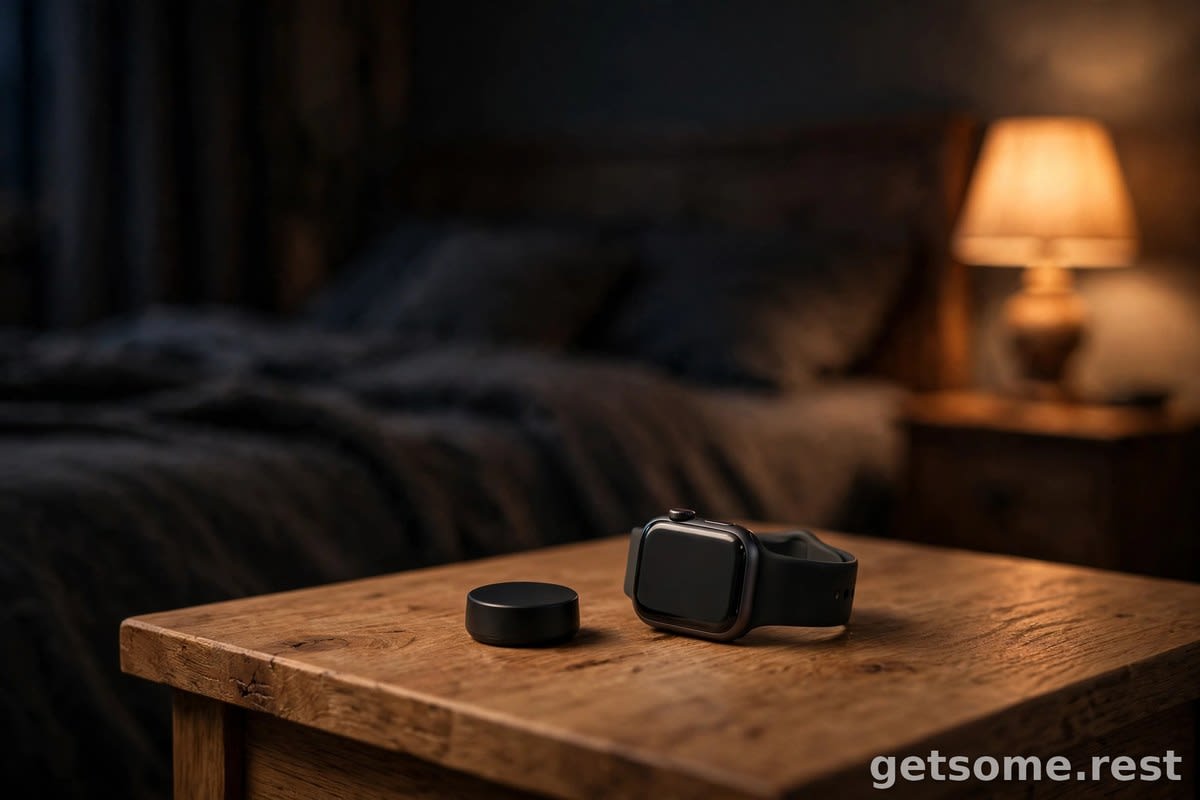
Plenty of people love their mechanical watch and have no interest in swapping it for a smartwatch — but they would still like to know how they slept. Azume One, a Kickstarter project that launched October 26, 2026, is built exactly for them: a 30 mm sensor puck, 2.8 mm thick and just 5 grams, that sticks to the back of any regular wristwatch and turns it into a sleep and health tracker. It costs €109 for early backers, charges in about 30 minutes, and — unlike the smart rings and bands it competes with — it asks for no subscription at all. Here is what it does, what it cannot do, and whether a crowdfunded puck is worth backing.
Contents
At a Glance: The Azume One
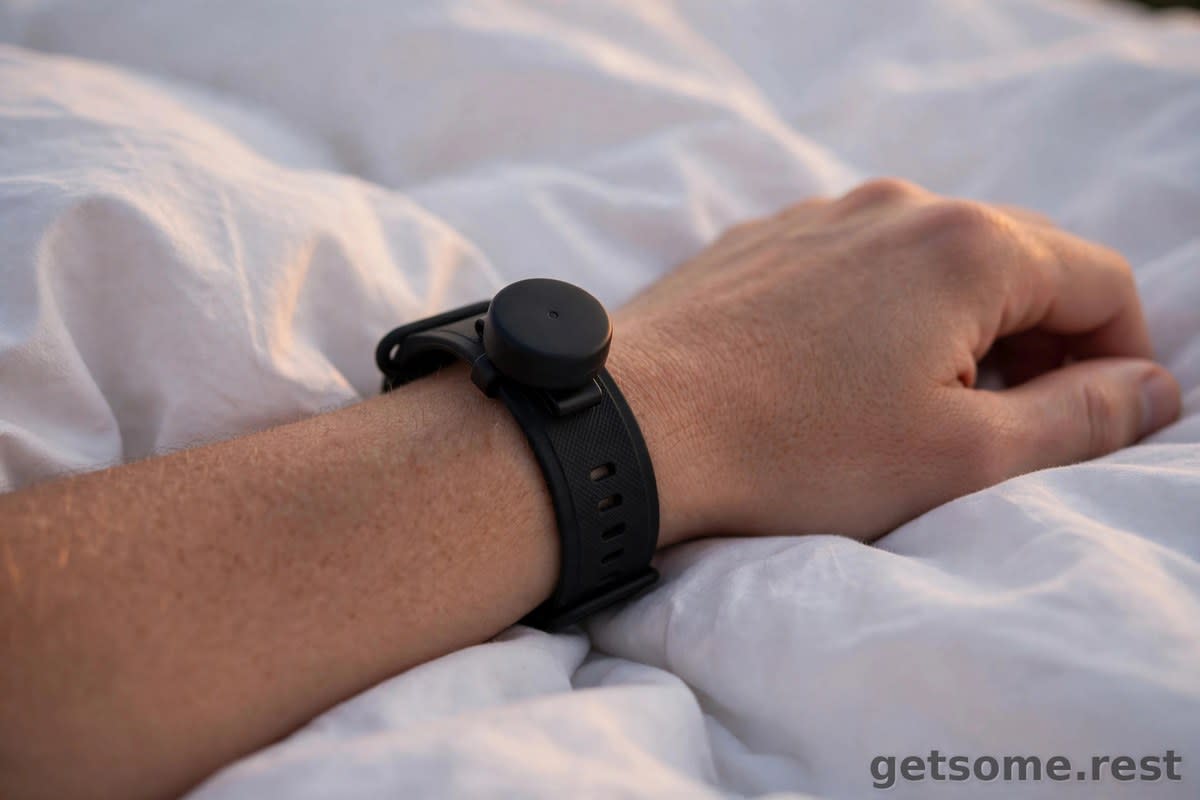
Azume is a small German startup, and the One is its first product. The idea is disarmingly simple: instead of asking you to wear a new device, it borrows the watch already on your wrist. A nano-suction mount holds the puck against the watch case-back, the optical sensor reads your pulse through your skin, and the app turns that into sleep stages, recovery scores and daytime activity — all without a screen, a vibration motor or a single notification.
- Price: €109 early-bird on Kickstarter (about $122), €149 planned retail, €179 Founders Edition with extra accessories and early access to new features. One-time payment, no subscription. The campaign runs through November 30, 2026.
- Size and weight: 30 mm across, 2.8 mm thick, 5 grams — roughly the size of a coin. No display, no vibration, no notifications.
- Sensors: optical PPG (LED plus two photodiodes) for heart rate and SpO2, an accelerometer for motion, steps and workouts, and a skin-temperature sensor. Bluetooth 5.4 to Android and iOS.
- Battery: 20 mAh cell, up to 48 hours per charge, about 30 minutes to full on the USB-C charging dock.
- What it tracks: 40-plus metrics — heart rate, resting heart rate, HRV, SpO2, respiratory rate, VO2max estimate, sleep stages and duration, sleep quality score, stress, skin temperature, steps, calories and workouts.
- Campaign status: launched October 26, 2026, funded its €3,000 goal within an hour, named a Kickstarter Project We Love, and stood at about €9,327 from 71 backers as of November 3 — roughly 310 percent of goal, on a deliberately low target.
Shipping is estimated for December 2026, initially to Germany and the US. The honest caveat, stated in the campaign's own materials, is that CE and FCC certification is still in progress — and crowdfunding delivery is never guaranteed.
How to Choose: Puck, Ring or Watch?
The Azume One makes sense for one specific person: someone who already wears a watch they love and wants sleep data without changing what is on their wrist. If that is you, the puck is the only product in this category that leaves your watch untouched — a ring adds a second device to a different finger, and a smartwatch replaces the watch entirely. At €109 with no subscription, it is also the cheapest route into continuous sleep tracking from a reputable-looking newcomer.
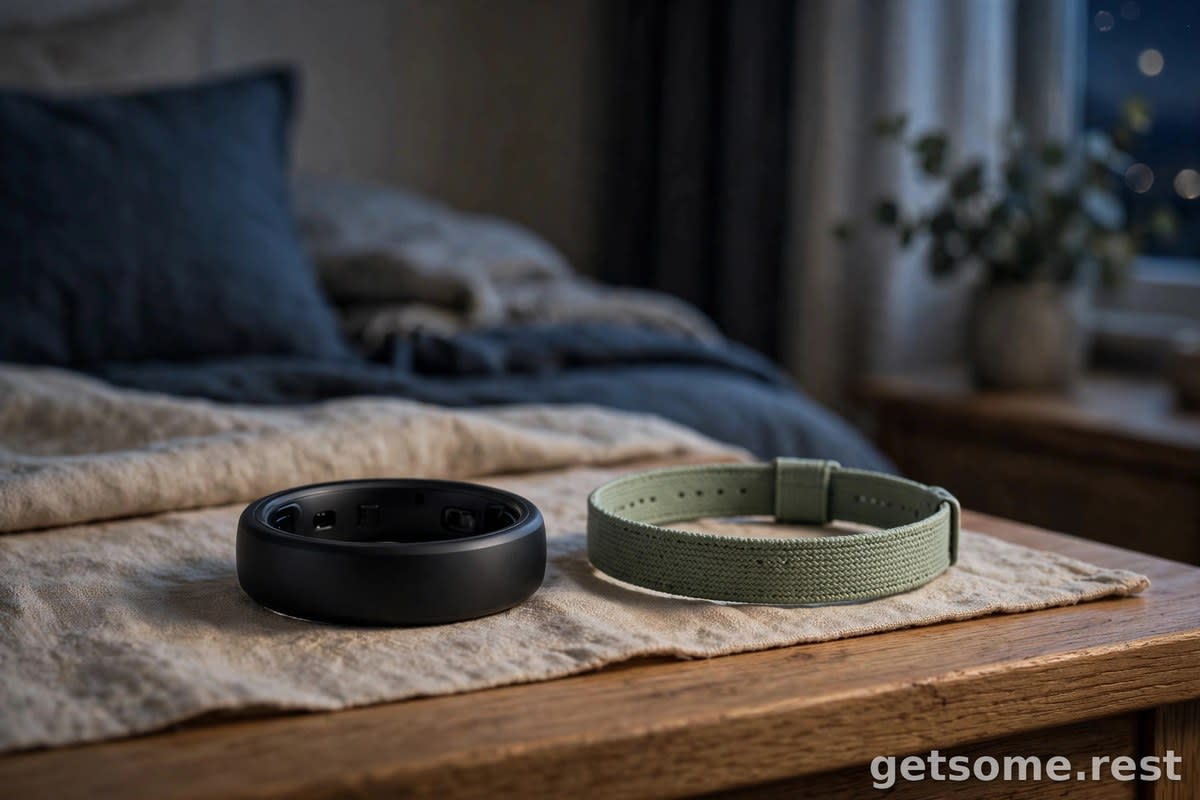
Before backing, check the fit question. The puck is 30 mm across and mounts to the watch case-back with a removable nano-suction mount — no adhesive, no magnets, no strap. That works on a standard flat case-back, but Azume has not published a minimum case-back diameter, so a very small dress watch or a deeply domed case-back may not take the disc. If you are unsure, the included FitBand is the fallback: it lets you wear the puck alone at night, without a watch, which is also the better option if your watch is heavy or you sleep with your wrist under a pillow.
Then weigh the battery trade-off. Forty-eight hours per charge is short next to a ring that lasts a week, and it means charging roughly every other day — including a 30-minute top-up on the USB-C dock. The puck's size leaves no room for a bigger battery, so this is a permanent part of the deal, not a first-version quirk. If you hate charging wearables, a ring or an under-mattress tracker like the Withings Sleep Analyzer will suit you better.
Finally, be honest about crowdfunding. The campaign funded within an hour and carries Kickstarter's Project We Love badge, but the backer count is modest — about 71 backers as of November 3 — and CE and FCC certification is still in progress. December 2026 is an estimate, not a promise. Back the early-bird tier if the idea excites you and the money would not hurt if it slips; otherwise wait for retail, when the price rises to €149 but the risk disappears.
Azume One Specs, Side by Side
Here is how the Azume One compares with the subscription trackers it positions itself against. Prices are as reported in November 2026.
| Tracker | Price | Subscription | Battery | Form factor |
|---|---|---|---|---|
| Azume One | €109 early-bird; €149 retail | None | Up to 48 hours | 30 mm puck on your own watch |
| Oura Ring 4 | From $349 | $5.99/mo or $69.99/yr | Up to 8 days | Smart ring |
| WHOOP 5.0 (One) | $199/yr, band included | Required | Up to 14 days | Screenless band |
| ISHO Ring | From ¥1,799 (~$253) | Not stated | 6–10 days | Smart ring |
The table makes the trade-offs plain. The Azume is the cheapest to buy and the only one with no subscription, but it has by far the shortest battery life — 48 hours against a week or two — because a 5-gram, 2.8 mm puck has no room for a bigger cell. It also tracks a wider metric set than its size suggests: heart rate, resting heart rate, HRV, SpO2, respiratory rate, a VO2max estimate, sleep stages and duration, a sleep quality score, stress, skin temperature, steps, calories and workouts — 40-plus metrics in total, read in the phone app over Bluetooth 5.4.
One detail worth knowing: your data is processed on Azume's servers in Ireland, with no fully local mode, according to the company's co-founder. That is standard for a small startup without on-device processing power, but it is a privacy trade-off worth noting if it matters to you.
Our Verdict: Who Should Back It
The Azume One is a genuinely clever answer to a real problem: millions of people wear a watch they love and will not trade it for a screen on their wrist, yet they are curious about their sleep. A 5-gram puck that borrows the watch you already own, costs €109 once, and asks for no monthly fee is the most elegant solution to that problem anyone has shipped — or, more precisely, promised to ship.
The case against backing it now is the case against any crowdfunded hardware: certification pending, a December ship date that could slip, and no independent accuracy testing of its sleep staging or SpO2 readings. The 48-hour battery is also a real daily friction that rings and mats avoid. And the total addressable audience is narrow by design — if you do not already wear a watch, the puck's whole premise disappears, and a ring or band is the better buy.
Our take: if you wear a mechanical or quartz watch every day, you want sleep data, and you are comfortable with Kickstarter risk, the €109 early-bird tier is a reasonable bet on a good idea at a fair price. If any of those three conditions fails — no daily watch, no appetite for crowdfunding, or a dislike of frequent charging — wait for the €149 retail launch and the first real reviews. The idea will still be there, and the risk will not.
What Early Coverage Says
Coverage so far is announcement-level: Hackster.io covered the launch on November 2, CNX Software on October 30, GSMDome on November 1, and basic-tutorials.com tracked the funding on November 3. Nobody has worn one, so there are no accuracy figures, no sleep-staging comparisons against a reference device, and no long-term comfort reports. That is normal for a product a week into its campaign — and it is the main reason to treat every claim as a specification, not a result.
What the coverage agrees on is the appeal of the form factor. A 30 mm disc that hides behind a watch case-back, weighs 5 grams, and adds tracking to a watch you already own is a design no ring or band can match for discretion. Reviewers also keep coming back to the price structure: €109 once, with every app feature included, against a market where the Oura Ring 4 starts at $349 plus a monthly membership and WHOOP charges $199 a year. That contrast is the Azume's whole pitch, and it lands.
The same coverage flags the same two cautions we do: certification is still in progress, and the campaign's backer count is small for a hardware launch, which means the company is thinly proven as a manufacturer. The honest summary is that the Azume One is a strong idea with a working prototype and a funded campaign — and until units ship in December and reviewers sleep with them, that is all it is.
How We Reported This Story
We have not worn the Azume One — it is a crowdfunded product that has not shipped yet, and no hands-on review exists. This article is based on the Kickstarter campaign, coverage from Hackster.io, CNX Software, GSMDome and basic-tutorials.com, and funding data reported in early November 2026.
Prices are the campaign prices as reported in November 2026 and were verified on November 7, 2026; the euro-to-dollar figure is approximate and moves with the exchange rate. Where the campaign is silent — minimum watch case-back size, on-device versus cloud processing of breathing data — we say so plainly. We do not take payment for placement, and our rankings are never for sale. Disclosure: GetSome Rest contains affiliate links. If you buy through them, we may earn a commission at no extra cost to you.
Frequently asked questions
How much does the Azume One cost?
The early-bird price on Kickstarter is €109 (about $122), with a planned retail price of €149 and a limited Founders Edition at €179 that adds extra accessories and early access to new features. Every tier is a one-time payment — there is no subscription, and all app features are included in the price. The campaign runs through November 30, 2026.
Will the Azume One fit my watch?
It is designed for any standard wristwatch: the 30 mm puck attaches to the back of the watch case with a removable nano-suction mount, no adhesive and no magnets. One open question is the minimum case-back size — Azume has not stated one, so very small or heavily domed case-backs may not fit the 30 mm disc. If you plan to wear the puck alone at night, the included FitBand lets you use it without a watch at all.
What does the Azume One track?
An optical PPG sensor measures heart rate and SpO2, an accelerometer tracks motion, steps and workouts, and a skin-temperature sensor rounds out the set. The app reports 40-plus metrics, including resting heart rate, HRV, respiratory rate, a VO2max estimate, sleep stages and duration, a sleep quality score, and stress. There is no display, no vibration and no notifications — it is a sensor only, and everything is read in the phone app.
Does the Azume One need a subscription?
No — and that is the point. Every app feature is included in the one-time price, which sets it apart from the Oura Ring 4 (from $349 plus $5.99 a month) and WHOOP 5.0 ($199 a year). The trade-off is that your data is processed on Azume's servers in Ireland, with no fully local mode, according to the company's co-founder.
When will the Azume One ship?
The estimated ship date is December 2026, initially to Germany and the US. Two caveats: CE and FCC certification is still in progress, which can delay a launch, and this is crowdfunding — the campaign funded within an hour of launching on October 26, 2026, but delivery is never guaranteed. Back the early-bird tier only if you are comfortable with that risk.
Key Takeaways
- The Azume One is a 30 mm, 2.8 mm, 5-gram sensor puck that sticks to the back of any standard wristwatch and adds sleep and health tracking.
- Early-bird price is €109 on Kickstarter (about $122); retail will be €149, with a €179 Founders Edition. No subscription, ever.
- It tracks heart rate, SpO2, HRV, respiratory rate, sleep stages and 40-plus metrics, with up to 48 hours of battery and a 30-minute USB-C charge.
- The campaign launched October 26, 2026, funded within an hour, and runs through November 30, 2026, with shipping estimated for December 2026.
- CE and FCC certification is still in progress, and the minimum watch case-back size is unstated — back it only if you accept crowdfunding risk.
- The included FitBand lets you wear the puck alone at night, no watch required.