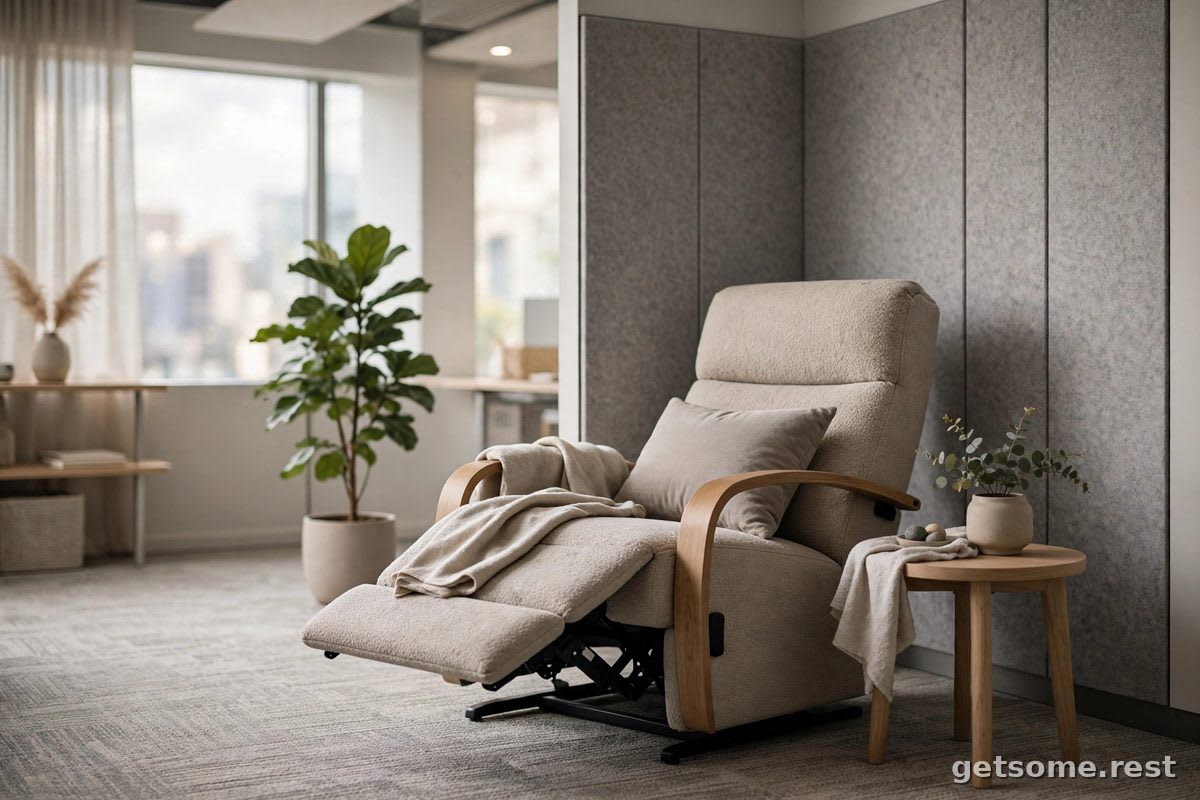
Best nap routine for new parents
"Sleep when the baby sleeps" is useless advice without a method. Here is the routine that actually works: 20-minute naps, coffee naps, split shifts, and the gear that protects every precious minute.

Every new parent hears "sleep when the baby sleeps" — and every exhausted parent knows it is useless advice without a method. Babies sleep in fragments, the house is never quiet, and your brain has forgotten how to switch off on command. This guide gives you the actual routine.
Contents
The 20-minute nap routine, step by step
The core routine takes 25 minutes, door to door: five-minute wind-down, then a 20-minute nap with an alarm set. Twenty minutes keeps you in light sleep; past 30 you sink into deep sleep, and waking from it produces the groggy hangover called sleep inertia. With a full two-hour window, take a complete 90-minute sleep cycle instead — waking at a cycle's end feels far better than waking mid-cycle.
The five-minute wind-down is what makes this work for people who "can't nap." Do the same tiny sequence every time: phone on silent and face down, room as dark as you can get it, sleep mask on, earplugs in or white noise on, lie down, slow breathing. The repetition trains your brain the way a baby's bedtime routine trains theirs — after a week, step three starts making you drowsy on its own. Do not check the phone "for one minute" during the wind-down; the light and the information both reset the clock you are trying to start. If the house is bright, a sleep mask is non-negotiable — daylight tells your brain it is not sleep time, and twenty minutes is too short to fight your own circadian system.
Two details make or break it. Set the alarm for 20 minutes from when you lie down, and put the phone across the room — getting up ends the nap decisively. And nap before mid-afternoon: late naps relieve the sleep pressure your body needs for the coming night, which is how "I napped at 5pm" becomes "I was awake until 2am." See our power nap guide for the full science, and our napping-at-work guide for office settings.
Twenty minutes keeps you in light sleep; past thirty, you sink into deep sleep — and waking from deep sleep is what makes naps feel worse than nothing.
Source: GetSome Rest editorial analysis
The wind-down checklist
Print this on your brain: baby down in a safe sleep space first, phone silent and face down, mask on, white noise or earplugs in, lights out, alarm set for 20 minutes, phone across the room. The whole sequence should take under five minutes once it is habit. The parents who nap successfully are not better sleepers — they just stopped improvising. A consistent evening routine works on the same principle for nighttime: the ritual is the signal, and the signal is what lets an exhausted brain finally switch off.
The gear that protects your naps
New-parent naps fail on three things: light, noise, and the baby's environment. These three picks each defend one of them, and all three cost less than a single takeout dinner for two.
| Product | Best for | Price | Rating |
|---|---|---|---|
| Hatch Rest 2nd gen | Nursery sound + night light routines | $69.99 | 4.6 out of 5 |
| Dreamegg D11 | Portable white noise anywhere | $32.99 | 4.2 out of 5 |
| Manta Sleep Mask | Daylight naps for parents | $39 | 4.5/5 |
Prices last checked October 13, 2026 and may change. Ratings reflect our own testing and research. The Hatch price was verified on the vendor's own site.
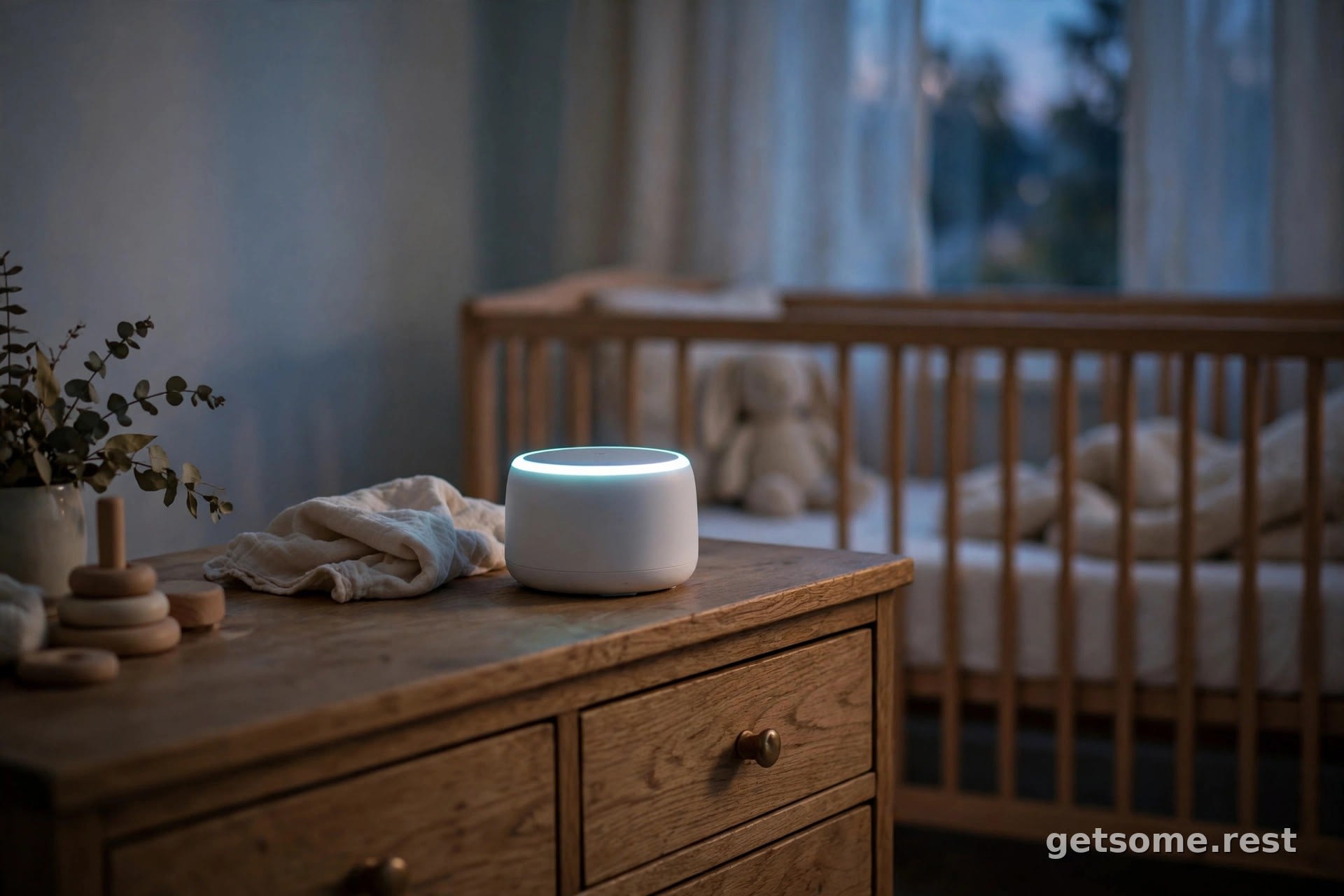
The coffee nap for parents
The coffee nap sounds like a joke, but it has real research behind it: drink a cup of coffee, then immediately nap for 20 minutes. Caffeine takes about 20 minutes to kick in, so it arrives just as you wake — you get the refreshment of the nap and the alertness of the caffeine landing together. Studies on the combination show it beats either one alone for reducing grogginess and improving alertness. For a parent facing an afternoon of solo baby duty on broken sleep, it is one of the highest-leverage twenty minutes available.
The rules: one normal cup, drunk quickly, lie down immediately, alarm for 20 minutes. Do not scroll while you wait — the caffeine has not kicked in yet and will not stop you falling asleep. Critical constraint: no coffee naps after mid-afternoon, since a 4pm coffee is still half-present at 10pm. If you are breastfeeding, check with your healthcare provider about appropriate caffeine intake.
Split shifts: the night-game changer
If you take one strategy from this article, make it this one. Split shifts divide the night into two protected blocks: Parent A sleeps 9pm to 2am while Parent B handles every waking, then they swap and Parent B sleeps 2am to 7am. Each parent gets one unbroken five-hour stretch instead of both parents getting eight hours of shattered, useless sleep. Five continuous hours includes real deep sleep; eight fragmented hours often does not. Parents who switch to split shifts consistently describe it as the single biggest improvement of the newborn months.
The sleeping parent must be genuinely off duty: separate room, door closed, earplugs in, phone on silent. "Wake me if it's bad" is not a split shift — it is fragmented sleep with extra steps. The on-duty parent handles all feeds (pumped milk or formula for the sleeping block). Single parents: recruit the block — a partner, grandparent, friend, or doula covering one reliable stretch a few nights a week beats heroic solo endurance.
One more thing the split shift enables: the sleeping parent's block is the only time in the newborn months when a full 90-minute-plus sleep cycle stack is realistic. Use it. Dark room, cool temperature, white noise to mask the household — treat that five-hour block like the precious resource it is, because in the economy of new parenthood, it is the only real currency. Our guide to the best white noise machine for light sleepers can help you pick the right masking for the sleeping parent's room.
Safe sleep while you nap
Before you close your eyes, the baby goes into their own safe sleep space: on their back, in a bare crib or bassinet — no blankets, pillows, bumpers, or toys. You nap separately. Never fall asleep with a baby on a couch or armchair: cushions and crevices make it the highest suffocation-risk surface. If you feel yourself dozing off while holding the baby there, put the baby in the crib immediately.
The same logic applies to "resting your eyes" while the baby contact-naps on you. If you are so tired that you might fall asleep, the baby belongs in the crib. Exhaustion impairs judgment about exhaustion — that is the trap. Set up the safe space before you are tired: crib or bassinet in the room where you nap, already bare and ready, so the safe choice is also the easy choice at 2pm when your eyelids are closing. If you are ever unsure about your setup, your pediatrician can review it with you in minutes. This is general safe-sleep guidance consistent with pediatric recommendations, not medical advice about your child — when in doubt, ask your healthcare provider.
What to do when you can't fall asleep
Some days the routine fails. Do not lie there frustrated for more than about 20 minutes: get up, do something calm and boring in dim light, and try again at the next window. Lying awake frustrated trains your brain to associate the bed with wakefulness, making tomorrow's nap harder.
And here is the reframe that saves the failed nap: quiet rest still counts. Lying still with your eyes closed in a dark room lowers cortisol, slows the heart rate, and gives your body a genuine break, even without sleep. Parents who treat a rest-only session as "wasted" get the stress without the benefit; parents who accept it get most of the recovery. Lower the stakes and the sleep usually follows within a few days — performance anxiety about napping is one of the most common reasons naps fail. If sleeplessness becomes the pattern rather than the exception — you cannot fall asleep or stay asleep most days despite exhaustion — talk to your healthcare provider. Postpartum sleep problems are common, treatable, and nothing to tough out alone.
Our picks in detail
Each pick below includes a one-line verdict, the current price, and the main pros and cons from our testing and research.
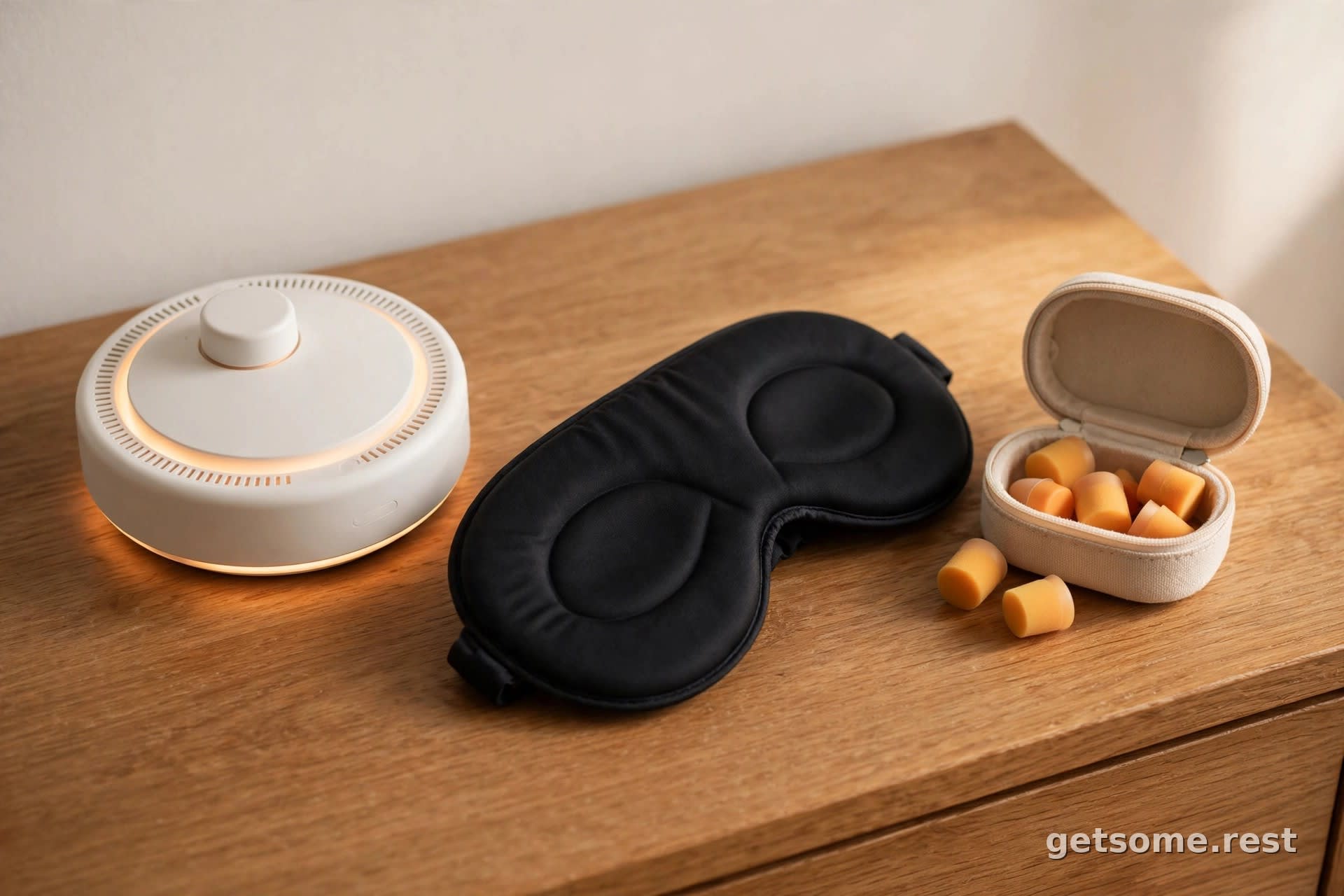 Best for nursery
Hatch Rest 2nd gen
Sound machine, night light and time-to-rise in one — the nursery standard for building the baby's sleep cues.
$69.99 at time of writing
Pros
- White noise plus a dimmable night light for nighttime feeds without fully waking anyone
- App-controlled routines and time-to-rise color cues that grow with the child
- 30-night trial, 1-year warranty, free shipping from the vendor
Cons
- Premium Hatch+ content ($4.99/mo) is optional but heavily promoted in the app
- Needs Wi-Fi for full functionality; larger than portable machines
Best portable
Dreamegg D11
A rechargeable pocket of steady sound for the parent's nap — couch, guest room, grandma's house, anywhere.
$32.99 list; often discounted, at time of writing
Pros
- 21 sounds, rechargeable battery, child lock and timers — genuinely portable for naps away from the nursery
- Masks household noise so the parent's 20 minutes are not shattered by the doorbell
- Budget price, frequently on sale
Cons
- Small speaker lacks depth at higher volumes
- Budget build quality; not a buy-it-for-life device
Best for daylight
Manta Sleep Mask
Total blackout with zero eye pressure — the difference between a real nap and twenty minutes of squinting at 2pm.
$39 at time of writing
Pros
- 100% blackout with deep contoured eye cups — comfortable for side sleepers too
- Daylight is the enemy of daytime naps; this removes it completely
- Adjustable, modular design
Cons
- Premium price for a mask; adjustment strap can catch long hair
- You still need earplugs or white noise for the sound half
How we test
We never accept payment for rankings. Every product is judged against the same five checks:
- Price
- We record the real price at checkout, note regular discounts, and recheck prices when we update the guide. The Hatch price was verified on the vendor's own site.
- Materials
- We read the fabric, fill and build details, and note anything the brand doesn’t make clear.
- Sleep trials
- We check how long you can try the product at home and whether the trial has conditions.
- Warranty
- We compare warranty length and what it actually covers, in plain language.
- Return policy
- We look at how returns work, who pays for shipping, and how refunds are handled.
Frequently asked questions
How long should a new parent's nap be?
Aim for 20 minutes, door to door, when time is tight. Twenty minutes keeps you in light sleep so you wake up clear-headed instead of groggy. If you have a longer window — a partner taking the baby for two hours — a full 90-minute sleep cycle is the better choice, because waking mid-cycle is what causes that heavy, disoriented feeling.
What is a coffee nap, and does it work for exhausted parents?
A coffee nap means drinking a cup of coffee and then napping for about 20 minutes immediately. The caffeine starts kicking in just as you wake, so you get the refreshment of the nap plus the alertness of the caffeine arriving together. It works best earlier in the day — skip it after mid-afternoon or it can steal from the coming night's sleep.
Is it safe to nap while the baby naps?
It is safe as long as the baby is in their own safe sleep space — on their back in a bare crib or bassinet — and you are napping separately, not on the same couch or bed with them. Never fall asleep with a baby on a couch or armchair, which carries the highest suffocation risk. If no safe separate arrangement is possible, rest while the baby is awake and supervised instead.
How do split shifts work for newborn sleep?
Split shifts divide the night into two uninterrupted blocks — for example, one parent sleeps 9pm to 2am while the other handles the baby, then they swap until morning. Each parent gets one protected stretch of about five hours instead of both parents getting fragmented sleep all night. The sleeping parent should use earplugs and sleep in a separate, dark room for it to work properly.
What if I lie down and just can't fall asleep?
Do not stare at the ceiling for more than about 20 minutes — get up, do something calm and boring, and try again at the next window. Lying awake frustrated trains your brain to associate the bed with wakefulness. Resting quietly with your eyes closed still lowers stress hormones and gives your body a break, so a nap attempt that becomes quiet rest is not wasted time.
Key takeaways
- The core routine: five-minute wind-down, 20-minute nap with an alarm, before mid-afternoon — or a full 90 minutes when you have the window.
- Split shifts (9pm–2am / 2am–7am) give each parent one protected five-hour block — the single biggest upgrade of the newborn months.
- Baby always goes in their own safe sleep space before you close your eyes; never nap with a baby on a couch or armchair.
- Quiet rest still counts when sleep won't come — and persistent sleeplessness despite exhaustion deserves a healthcare conversation.