Withings Sleep Analyzer vs Eight Sleep Pod Tracking: Mat vs Cover Compared (2026)
Withings Sleep Analyzer vs Eight Sleep Pod tracking (2026): mat vs cover compared on accuracy, subscriptions, dual sleepers, and the five-year cost. Honest verdict.
Both promise a nightly report card on your sleep without wearing anything to bed. The Withings Sleep Analyzer (~$129) slides a pneumatic mat under your mattress and tracks you through ballistography — free forever. The Eight Sleep Pod ($2,699+ plus a subscription) is a fitted cover that tracks sleep while actively cooling or warming the bed. We compared the two systems head-to-head: tracking quality, what the data actually includes, subscriptions, dual-sleeper support, and five-year cost.
Contents
Top Picks at a Glance
Two ways to track sleep without wearing anything: a $129 mat that watches, or a $2,700+ cover that watches and acts. The two-minute version:
- Withings Sleep Analyzer — best pure tracker. About $129, no subscription. Under-mattress pneumatic sensor: sleep stages, Sleep Score, snore and breathing-disturbance signals, free Health Mate app, exports to Apple Health and Health Connect.
- Eight Sleep Pod 5 Core / 6 — best tracking plus intervention. $2,699–$2,849 plus $199–$399/year Autopilot. Fitted cover tracking both sides: stages, heart rate, HRV, respiratory rate, Sleep Fitness Score — while actively cooling or warming each side of the bed.
| System | Street price (Oct 2026) | What it tracks | Subscription | Dual sleepers |
|---|---|---|---|---|
| Withings Sleep Analyzer | ~$129 | Stages, Sleep Score, HR, respiratory rate, snore, breathing signals | None | One mat per sleeper |
| Eight Sleep Pod | $2,699–$2,849+ | Stages, Sleep Fitness Score, HR, HRV, respiratory rate, snore | $199–$399/year | Yes, per-side data |
How to Compare Two Bed-Based Trackers
Mat and cover both sense you through the mattress, but the comparison hinges on four questions that are not about accuracy.
1. Do you want passive data or active intervention? The Withings mat is pure observation: it watches and reports. The Pod watches, then acts — Autopilot adjusts the bed’s temperature through the night as your stages change. If temperature swings are your actual sleep problem, tracking alone was never going to fix it; if you sleep comfortably and just want the numbers, the mat’s data is more than enough.
2. Who else sleeps in the bed? The Pod tracks both sides independently; one Withings mat tracks one sleeper, and a restless partner can muddy the readings. Two-sleeper households should price the Withings as a two-mat system ($129 × 2) and weigh that against the Pod’s dual-side tracking.
3. What is the real five-year cost? Withings: ~$129 once, $0 per year. Eight Sleep Pod 5 Core: $2,849 plus $199–$399 per year; Pod 6 standard sizes start around $2,699 with similar subscription tiers. Over five years the Pod costs roughly 25–30× the Withings. Be honest about whether you would use the temperature features enough to justify it — read Eight Sleep Pod 6 vs Pod 5 for the latest model math.
4. How much physiology do you want? Both report sleep stages and nightly scores. The Pod adds resting heart rate, HRV (rMSSD), respiratory rate, snoring, and trend analytics across months — the kind of dataset athletes and quantified-self types love. The Withings covers heart rate, respiratory rate, and breathing-disturbance signals without overwhelming anyone. More data is not always better data.
Full Spec Comparison
Figures come from the brands’ own listings and current retailer prices, checked October 2026. Street prices — what shoppers actually pay — not MSRP.
| Spec | Withings Sleep Analyzer | Eight Sleep Pod (5 Core / 6) |
|---|---|---|
| Form factor | Thin pneumatic mat under mattress | Fitted smart cover replacing your fitted sheet area |
| Price | ~$129 | $1,999 (Pod 6 Solo) – $2,849 (Pod 5 Core) |
| Subscription | None (optional Withings+) | Autopilot $199–$399/year |
| 5-year cost | ~$129 | ~$3,000–$5,000 |
| Sleep stages | Light, deep, REM; Sleep Score | Light, deep, REM; Sleep Fitness Score |
| Physiology | Heart rate, respiratory rate, snore, breathing-disturbance signals | Heart rate, HRV (rMSSD), respiratory rate, snore, temperature |
| Dual sleepers | No (one mat per person) | Yes, per-side tracking + per-side climate |
| Temperature control | No | Yes, active cooling & warming (Autopilot) |
| App export | Apple Health, Health Connect, free unlimited storage | Apple Health, Health Connect |
| Charging / upkeep | Plugged in, none | Plugged in; water reservoir maintenance |
Our Verdict: Which Tracker Wins
Best pure tracker: Withings Sleep Analyzer. For ~$129 with zero subscription, you get nightly sleep stages, a Sleep Score, snore and breathing-disturbance signals, and free data export to Apple Health and Google’s Health Connect — with nothing to wear and nothing to charge. It is the sleep tracker with the highest adherence rate in the industry simply because it asks nothing of you. Check the Withings Sleep Analyzer on Amazon.
Best tracking plus intervention: Eight Sleep Pod. If you are buying it, you are buying the cooling and warming as much as the data — and the data is genuinely rich: per-side sleep stages, heart rate, HRV, respiratory rate, snoring, and a daily Sleep Fitness Score, with Autopilot tuning the bed through the night. $2,699–$2,849 plus $199–$399/year is real money, but nothing else tracks two sleepers through the whole bed while controlling temperature. Check the Eight Sleep Pod on Amazon.
The honest summary: accuracy is not the differentiator — both estimate stages at roughly 80% agreement with clinical measurement, and both know when you slept vs. when you tossed. Buy the Withings for effortless data at a fair price. Buy the Pod for a bed that actively manages temperature and reports rich physiology for two people.
In-Depth Comparison
Withings Sleep Analyzer — 9/10 for effortless tracking
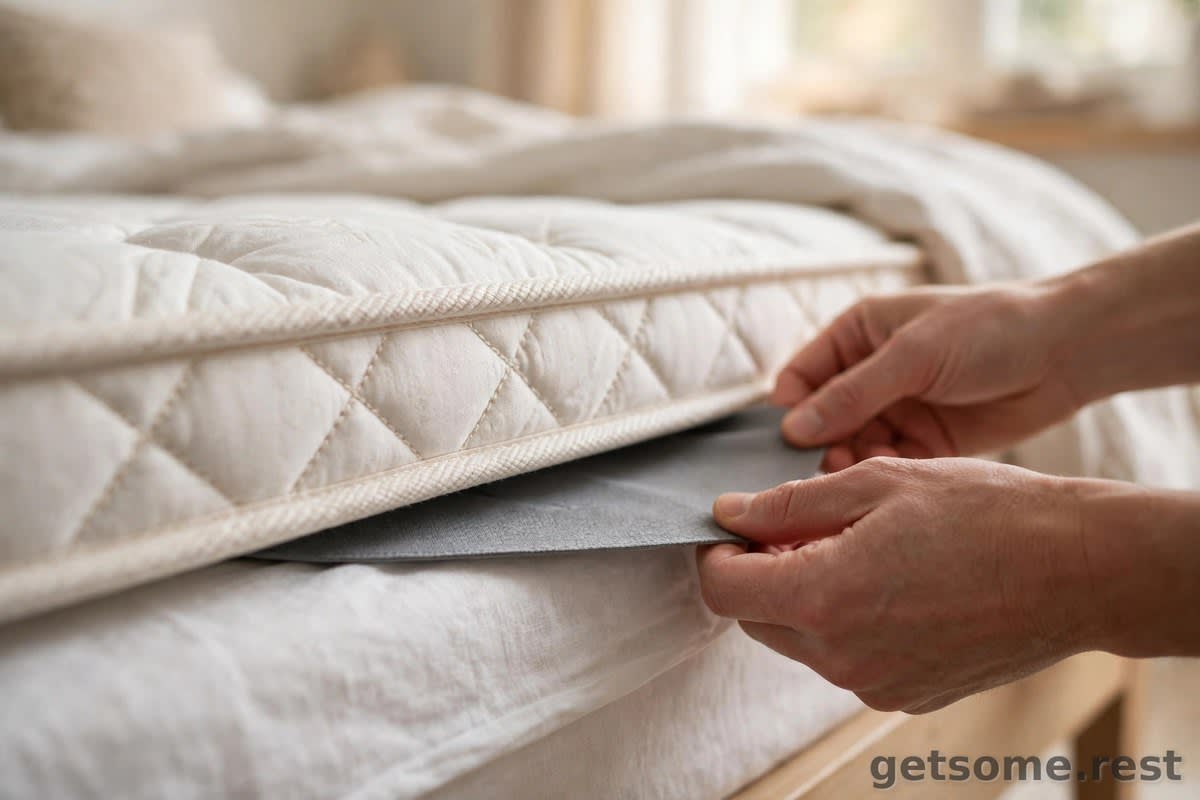
A thin pneumatic sensor slides under the mattress at chest height and listens through the bed all night: heartbeats, breathing, movement. From that it derives sleep duration, light/deep/REM cycles, a nightly Sleep Score, snoring duration, and breathing-disturbance signals. It works on mattresses 4–15 inches thick (foam, latex, spring, memory foam), stays plugged in, and syncs over Wi-Fi. The Health Mate app is clean, the data exports to Apple Health and Health Connect, and a free Withings account includes unlimited online storage. Strengths: zero-effort adherence, no subscription, excellent price. Weaknesses: one sleeper per mat, partner movement can interfere, no HRV reporting, no intervention features. Check price on Amazon.
Eight Sleep Pod (5 Core / 6) — 9/10 for the full system
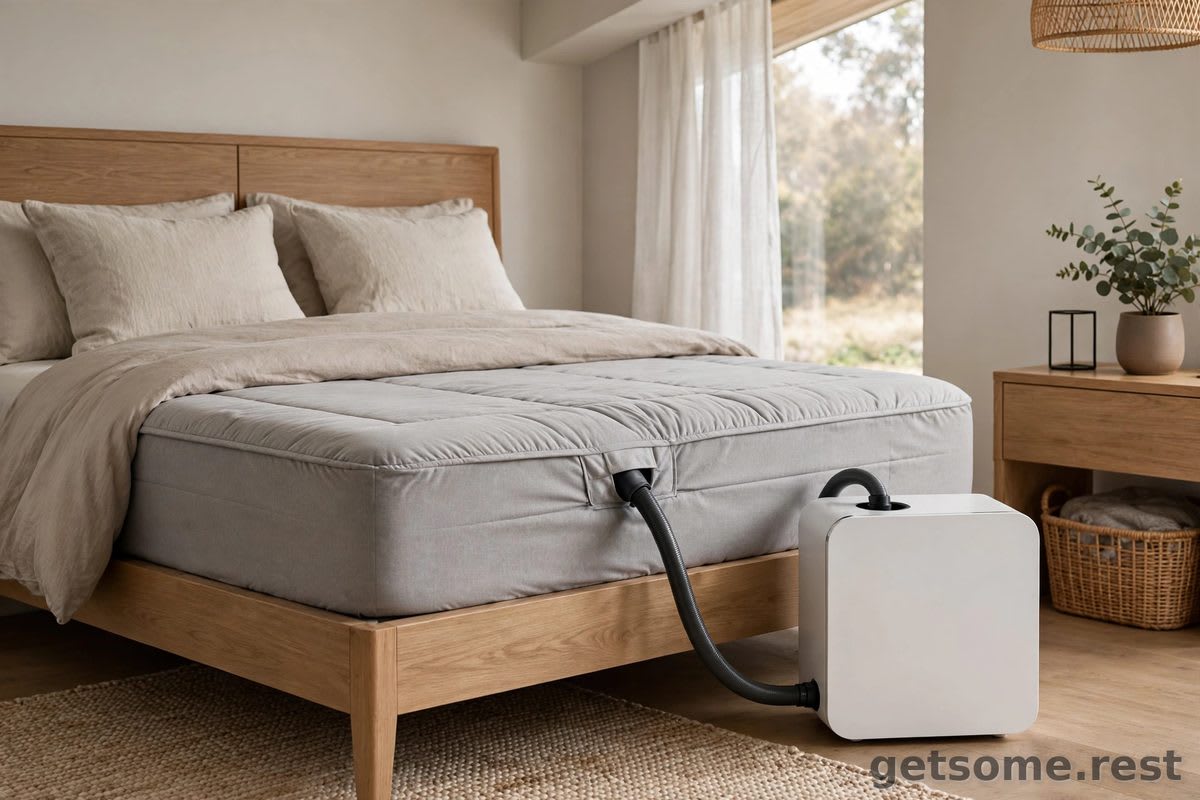
The Pod is a fitted cover with water channels and embedded sensors: ballistography-based tracking (sleep stages, heart rate, HRV rMSSD, respiratory rate, snoring) plus active temperature control through Autopilot, dual-side zones, a vibration alarm, and a nightly Sleep Fitness Score. The 5 Core lists at $2,849; the Pod 6 (launched September 2026) starts around $2,699 for standard sizes and $1,999 for the single-side Solo cover, with Autopilot at $199–$399/year. The app is deep, the trends are genuinely useful, and long-term owners report measurable sleep improvement. Strengths: richest bed-based data set, dual-sleeper tracking, temperature intervention, strong app. Weaknesses: very expensive, subscription required for the headline features, bulky hub beside the bed, setup is a project. Check price on Amazon.
Dig deeper: our full Withings Sleep Analyzer review, Pod 5 Core vs ChiliSleep Dock Pro, and how AI is changing sleep tracking.
How We Compared the Tracking
We took no paid placement. Criteria: sensing method (both BCG, but through mat vs. water-circulating cover), reported physiology (stages, heart rate, HRV, respiratory rate, snore), dual-sleeper support, data portability (Apple Health / Google Health sync), total cost of ownership (hardware + five years of subscription), and accuracy evidence from independent commentary and published validations. Prices and specs were verified against the brands’ own listings and current retailer prices in October 2026. We treated both as consumer trackers, not medical devices, and avoided medical framing throughout.
Frequently asked questions
Is the Withings Sleep Analyzer or the Eight Sleep Pod more accurate?
Both use ballistocardiography — sensing heartbeats and breathing through the mattress — and independent commentary puts under-mattress BCG tracking at roughly 80% agreement with clinical polysomnography for light, deep, and REM stages, comparable to good wrist wearables for sleep/wake detection. The Eight Sleep’s advantage is richer physiology: heart rate, HRV (rMSSD), and respiratory rate from the cover, plus snoring detection, which feeds its Sleep Fitness Score. The Withings also reports heart rate, respiratory rate, and a Sleep Score, with no wearable and no subscription. Neither is a medical device, and neither stages as precisely as a clinical sleep study.
Do I need a subscription for Eight Sleep’s tracking?
Essentially, yes — for the experience as advertised. The Pod hardware costs $2,699–$2,849 and up depending on model and size, and Autopilot with the full Sleep Fitness tracking runs $199–$399 per year depending on plan tier. Without the subscription you lose the headline features. The Withings Sleep Analyzer needs no subscription at all: ~$129 buys the mat, and all core tracking is free in the Withings Health Mate app. Over five years the subscription is a significant part of the Pod’s total cost, so do the math before comparing sticker prices.
Can these trackers detect sleep apnea?
Neither diagnoses sleep disorders — they are consumer trackers, not medical devices. The Withings flags breathing disturbances and snoring as awareness signals (it has been described in reviews as clinically validated for moderate-to-severe OSA screening), and the Pod also tracks snoring and respiratory rate. Treat these as prompts to notice patterns, not as diagnoses. If you snore heavily, gasp, or wake unrefreshed regularly, talk to a clinician rather than relying on either device.
Which is better for couples sharing a bed?
The Eight Sleep Pod, clearly. The cover tracks both sides of the bed independently and runs separate temperature schedules per side — two sleepers, two datasets, two climates. The Withings mat tracks one sleeper; a partner’s movement can confuse its readings, and couples need a second mat (and a second account-side setup) for individual data. If you share a bed, this is one of the strongest practical arguments for the Pod.
Does the Withings work without Wi-Fi or the app?
It needs Wi-Fi and the Withings Health Mate app for setup and to view your data — the mat syncs automatically each night. There is no screen on the device and no monthly fee, but you do need a free Withings account. The Eight Sleep Pod similarly requires its app, and its advanced features add the subscription. For more on the mat alone, read our Withings Sleep Analyzer review; for the cover side of the story, see Eight Sleep Pod 5 Core vs ChiliSleep Dock Pro.
The Takeaway
- Best pure tracker: Withings Sleep Analyzer — ~$129, no subscription, effortless nightly data with nothing to wear.
- Best tracking + intervention: Eight Sleep Pod — $2,699+ plus $199–$399/year; rich physiology, dual-sleeper tracking, and a bed that manages temperature for you.
- Accuracy is a wash: both estimate sleep stages at roughly 80% agreement with clinical measurement. The difference is intervention, per-side data, and cost — not who reads your sleep better.
- Neither diagnoses anything. Snore and breathing signals are awareness prompts, not medical findings.